
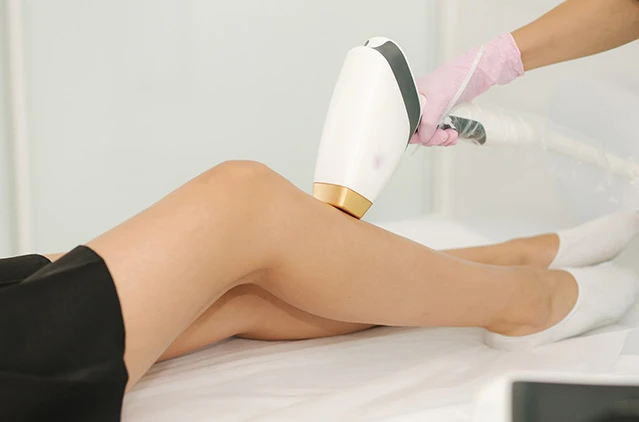
Your dermatologist doesn’t recommend laser hair removal just because you’re tired of shaving. She suggests it because she’s seen the chronic folliculitis covering your legs, the hyperpigmentation scarring your bikini line from repeated waxing trauma, and the ingrown hair cysts that flare up monthly requiring antibiotics.
Hair removal itself often represents the least important reason dermatologists recommend laser treatments to patients. The skin health improvements that follow—reduced inflammation, eliminated ingrown hairs, improved hyperpigmentation, decreased infection risk—frequently deliver more significant quality of life enhancements than the absence of hair ever could.
Understanding these broader dermatological benefits reveals why laser treatment represents genuine medical intervention rather than purely cosmetic preference for many patients dealing with chronic skin issues that conventional hair removal methods continuously aggravate.
The Hidden Costs of Traditional Hair Removal
Conventional hair removal methods create cumulative skin damage that most people accept as normal irritation but that dermatologists recognize as preventable injury requiring intervention.
Razor burn and folliculitis from shaving introduce bacteria into hair follicles creating inflammatory reactions that manifest as red bumps, tenderness, and sometimes infection. Repeated shaving trauma in sensitive areas creates chronic inflammation that never fully heals between shaving sessions.
Waxing trauma literally rips hair from follicles creating open wounds vulnerable to bacterial infection. The repeated trauma weakens skin barrier function over years while the pulling action stretches skin and can tear sensitive areas particularly around facial contours.
Chemical depilatories dissolve hair through harsh alkaline chemicals that simultaneously damage skin barrier. These products cause chemical burns, allergic reactions, and chronic irritation that dermatologists treat regularly in emergency consultations.
Ingrown hairs from any hair removal method create localized infections that in severe cases require surgical drainage or extended antibiotic treatment. The scarring from chronic ingrown hair inflammation persists long after hair removal methods change.
Post-inflammatory hyperpigmentation from repeated skin trauma creates dark patches that prove difficult to fade and that many people attribute to natural skin characteristics rather than recognizing as preventable injury from hair removal methods.
How Laser Treatment Improves Skin Health
The dermatological benefits of laser hair removal extend well beyond simple hair elimination to encompass multiple positive skin changes that conventional methods cannot provide.
Inflammation reduction occurs progressively as follicles cease producing hair. The chronic low-grade inflammation from shaving, waxing, or plucking gradually resolves leaving skin calmer and less reactive. Patients often notice reduced overall skin sensitivity.
Ingrown hair elimination happens automatically when follicles stop producing hair. The painful cysts, infections, and scarring that ingrown hairs create completely disappear once laser treatment renders follicles inactive.
Hyperpigmentation improvement emerges as inflammation decreases and repeated trauma ceases. While existing hyperpigmentation may require additional treatment, preventing new hyperpigmentation from ongoing hair removal trauma allows existing damage to gradually fade.
Skin barrier function strengthens without constant assault from razors, wax, or chemicals. Improved barrier function enhances skin’s natural protective capabilities reducing vulnerability to infection, irritation, and environmental damage.
Texture smoothness increases as folliculitis bumps, ingrown hair scarring, and inflammatory reactions resolve. Many patients report their skin feeling smoother and looking more even after laser treatment than it ever did even immediately after conventional hair removal.
Specific Dermatological Conditions That Benefit
Certain skin conditions improve so dramatically with laser hair removal that dermatologists consider it medical treatment rather than elective cosmetic procedure.
Pseudofolliculitis barbae, commonly called razor bumps, affects people with curly hair whose shaved hairs curl back into skin causing inflammation and infection. This condition particularly affects men’s facial areas and proves resistant to conventional treatment. Laser hair removal eliminates the condition by stopping hair growth.
Hidradenitis suppurativa, a chronic inflammatory skin condition causing painful lumps in areas where skin rubs together, worsens with traditional hair removal. Laser treatment reducing hair in affected areas decreases flare frequency and severity for many patients.
Keratosis pilaris, the bumpy “chicken skin” texture on upper arms and thighs, sometimes improves after laser hair removal as inflammation decreases and hair no longer becomes trapped under the skin surface.
Acne mechanica in areas like the bikini line or underarms where friction and trapped hair contribute to breakouts often resolves when laser treatment eliminates hair and reduces inflammation that contributes to acne formation.
Pilonidal disease where hair becomes embedded in skin folds creating painful cysts and infections improves substantially when laser treatment removes hair from affected areas preventing new hair embedding.
The Science Behind Laser Benefits
Understanding how laser technology affects skin beyond hair removal explains why dermatological benefits occur rather than representing lucky side effects.
Selective photothermolysis principles mean lasers target melanin in hair follicles while leaving surrounding tissue largely unaffected. This precision enables therapeutic effects on follicles without the collateral damage that conventional methods cause.
Thermal energy delivered to follicles has mild anti-inflammatory effects on surrounding tissue. The controlled heating stimulates wound healing responses that can improve skin quality independent of hair reduction effects.
Collagen stimulation from thermal effects sometimes creates subtle skin tightening and texture improvement similar to effects from dedicated laser resurfacing though much milder. These secondary effects contribute to overall skin quality improvement.
Reduced trauma frequency compared to weekly shaving or monthly waxing gives skin extended recovery periods between treatments. This reduced trauma frequency alone accounts for substantial improvement in chronic inflammatory conditions.
Patient Selection and Realistic Expectations
Not everyone experiences identical skin health improvements from laser treatment. Understanding factors affecting outcomes helps patients form appropriate expectations.
Factors influencing dermatological benefits include:
• Baseline skin condition severity where patients with more severe folliculitis, hyperpigmentation, or ingrown hair problems experience more dramatic improvement than those with minimal baseline issues.
• Treatment consistency and completion of full protocols rather than stopping after partial treatments. Skin health benefits accumulate progressively across treatment sessions.
• Hair and skin characteristics affecting laser effectiveness also influence dermatological outcomes. Coarse dark hair on light skin responds most dramatically to treatment delivering maximum benefits.
• Concurrent skincare practices where patients following dermatologist-recommended skincare routines alongside laser treatment achieve better overall outcomes than those not addressing other skin needs.
Dermatologists emphasize that while most patients experience some skin health benefits, the degree of improvement varies. Patients shouldn’t expect laser treatment alone to resolve all skin concerns without addressing other contributing factors.
Cost-Benefit Analysis From Dermatological Perspective
When dermatologists recommend laser hair removal, they consider the complete health picture including prevented complications and reduced ongoing medical costs from chronic skin conditions.
Prevented infections eliminate antibiotic prescriptions, emergency consultations for severe folliculitis or ingrown hair abscesses, and potential surgical drainage procedures. These medical costs avoided over years often exceed laser treatment investment.
Reduced medication needs for chronic skin inflammation, recurrent infections, or persistent irritation create ongoing savings. Patients who previously required regular prescription treatments may eliminate these needs entirely.
Quality of life improvements from eliminating painful ingrown hairs, chronic inflammation, or recurrent infections prove difficult to quantify financially but represent substantial value for patients suffering from these conditions.
Time savings from eliminating daily hair removal routines plus medical appointments for treatment of hair removal complications create efficiency gains affecting both personal and professional life.
When patients inquire how much is laser hair removal at clinics like VicLaser, dermatologists encourage viewing costs through comprehensive health lenses rather than simple cosmetic expenses. The total value includes preventing medical costs and quality of life improvements beyond aesthetic outcomes.
Optimizing Outcomes Through Proper Care
Maximizing skin health benefits from laser treatment requires following post-treatment protocols and maintaining appropriate skincare practices.
Post-treatment care including sun protection, gentle cleansing, and avoiding irritating products enables skin to heal optimally between sessions. Patients neglecting these guidelines experience diminished benefits and potential complications.
Concurrent treatment of existing hyperpigmentation through prescribed topicals, chemical peels, or other procedures addresses damage from previous hair removal methods while laser prevents new damage.
Gradual transition from other hair removal methods allows skin to heal progressively rather than continuing damage up until the first laser session. Stopping shaving or waxing several weeks before treatment lets existing inflammation resolve.
Long-term maintenance with occasional touch-up treatments maintains benefits rather than allowing hair regrowth to reintroduce skin problems that treatments are resolved.
When Laser Treatment Proves Medical Necessity
Insurance coverage for laser hair removal remains rare, but certain circumstances demonstrate legitimate medical necessity beyond cosmetic preference.
Chronic recurrent folliculitis requiring repeated antibiotic courses establishes medical necessity when conventional treatments fail to provide lasting improvement.
Pseudofolliculitis barbae causing significant scarring, infection, or occupational problems particularly for people whose jobs prohibit facial hair provides grounds for medical necessity arguments.
Hidradenitis suppurativa management where hair removal reduces disease activity demonstrates therapeutic use supporting medical necessity claims.
Post-surgical hair removal in areas where hair interferes with wound healing or prosthetic device function represents clear medical indication.
Transgender individuals requiring hair removal for gender affirmation find varying insurance coverage based on local policies and medical necessity documentation.
Integration with Comprehensive Dermatological Care
Laser hair removal works best as a component of broader dermatological treatment rather than isolated intervention.
Skin type assessment determines appropriate laser parameters and identifies any conditions requiring pre-treatment or contraindicating treatment. This evaluation ensures safe effective treatment while identifying other dermatological needs.
Customized treatment plans addressing multiple skin concerns simultaneously optimize outcomes and efficiency. Combining laser hair removal with treatments for acne, hyperpigmentation, or other issues creates synergistic improvements.
Ongoing monitoring throughout treatment series enables parameter adjustments optimizing results while watching for any adverse effects requiring intervention.
Post-treatment skincare recommendations maintain and enhance benefits while preventing new problems. Dermatologists provide specific product recommendations based on individual skin types and concerns.
Future Directions in Laser Dermatology
Advancing technology continues expanding therapeutic applications beyond current uses while improving safety and efficacy.
Next-generation lasers with improved cooling systems, faster treatment speeds, and better melanin detection deliver results with less discomfort and greater safety across diverse skin types.
Combination treatments pairing laser hair removal with other modalities like radiofrequency or ultrasound create enhanced outcomes for certain skin conditions.
Artificial intelligence integration enables more precise parameter selection and real-time treatment adjustments optimizing outcomes while minimizing risks.
Expanded research into therapeutic applications beyond hair removal continues revealing benefits for various inflammatory skin conditions suggesting broader future medical applications.
The evolution of laser hair removal from purely cosmetic procedure to recognized dermatological treatment reflects growing understanding of how hair removal methods affect skin health. Dermatologists increasingly recommend laser treatment not just for patients wanting smooth skin but for those whose skin health suffers from chronic inflammation, infection, and damage that conventional hair removal methods perpetuate. This medical perspective transforms laser treatment from optional aesthetic enhancement to therapeutic intervention addressing genuine health concerns affecting quality of life beyond appearance.
