
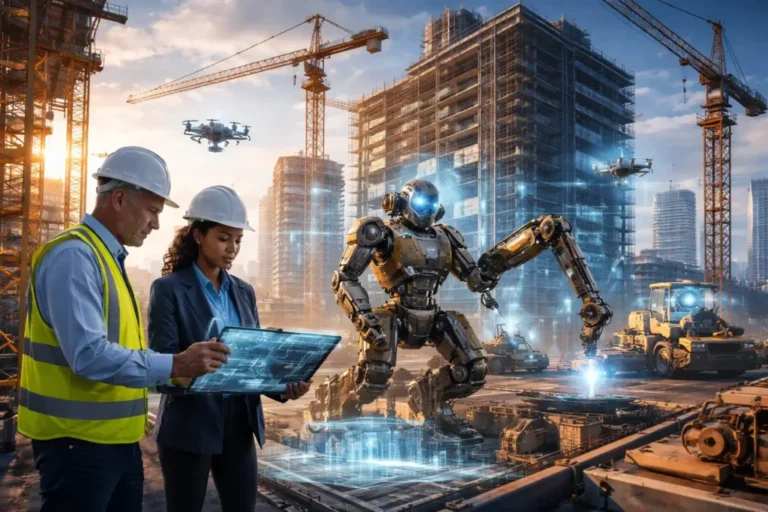
Artificial intelligence (AI) is rapidly transforming the way commercial buildings are designed, managed, and maintained. What was once limited to basic automation systems has evolved into intelligent building ecosystems capable of analyzing data, predicting equipment failures, optimizing energy usage, and creating more comfortable environments for occupants.
In 2026, AI is no longer a luxury reserved for large corporations. Businesses of all sizes are adopting smart building technologies to reduce operating costs, improve sustainability, enhance workplace productivity, and simplify facility management. Combined with Internet of Things (IoT) devices, cloud computing, and advanced analytics, AI enables commercial properties to operate more efficiently than ever before.
This article explores how AI is making commercial buildings smarter, the technologies driving these advancements, and why intelligent building management is becoming an essential investment for modern businesses.
What Is a Smart Commercial Building?
A smart commercial building uses connected technologies to monitor and control systems such as heating, ventilation, air conditioning (HVAC), lighting, security, and energy management. AI serves as the decision-making engine by analyzing data from sensors and connected equipment to optimize building performance automatically.
Instead of relying on manual adjustments or fixed schedules, smart buildings continuously adapt to changing conditions such as occupancy, weather, and energy demand. This dynamic approach improves operational efficiency while reducing unnecessary resource consumption.
The Role of AI in Building Management
Artificial intelligence processes large volumes of information far more quickly than traditional software. It identifies patterns, predicts future conditions, and recommends actions that improve building performance.
In commercial facilities, AI supports:
- Automated climate control
- Predictive maintenance
- Occupancy-based energy management
- Indoor air quality monitoring
- Equipment performance analysis
- Security automation
- Utility consumption tracking
These capabilities allow facility managers to focus on strategic decisions rather than routine system monitoring.
AI Improves Energy Efficiency
Energy costs remain one of the largest operating expenses for commercial properties. AI helps reduce these costs by continuously monitoring energy consumption and making intelligent adjustments in real time.
Examples include:
- Adjusting temperatures based on occupancy
- Optimizing HVAC schedules
- Managing lighting automatically
- Reducing equipment runtime during low-demand periods
- Responding to changing weather conditions
Even small improvements in efficiency can generate substantial annual savings for businesses with large facilities.
Predictive Maintenance Prevents Downtime
Traditional maintenance often relies on fixed schedules or reactive repairs after equipment fails.
AI introduces predictive maintenance by analyzing equipment performance and identifying early signs of wear before major failures occur.
Connected sensors monitor factors such as:
- Temperature
- Airflow
- Vibration
- Electrical current
- Pressure
- Runtime hours
When unusual patterns appear, AI alerts maintenance teams so issues can be addressed before they interrupt business operations.
IoT Devices Power Intelligent Buildings
Internet of Things (IoT) devices provide the data AI needs to make informed decisions.
Common IoT technologies include:
- Smart thermostats
- Occupancy sensors
- Air quality monitors
- Smart meters
- Connected HVAC controls
- Leak detection sensors
- Lighting automation systems
Together, these devices create a network that continuously communicates with centralized building management software.
Smarter HVAC Operations
HVAC systems often account for a significant portion of a building’s energy consumption. AI helps optimize heating and cooling by analyzing occupancy patterns, outdoor weather, indoor temperatures, and historical performance.
Benefits include:
- Reduced energy waste
- More consistent indoor comfort
- Improved equipment efficiency
- Longer system lifespan
- Lower maintenance costs
Rather than operating on fixed schedules, HVAC systems respond dynamically to actual building conditions.
Supporting Flexible Workspaces
Hybrid work models have changed how commercial spaces are used. Offices may experience fluctuating occupancy throughout the week, making static HVAC schedules inefficient.
AI solves this challenge by adjusting climate control based on real-time occupancy data. Areas that are unoccupied receive less heating or cooling, while frequently used spaces maintain comfortable conditions.
This adaptive approach helps businesses reduce utility costs without affecting employee comfort.
AI Enhances Indoor Air Quality
Healthy indoor environments have become a priority for organizations.
AI-powered systems continuously monitor:
- Carbon dioxide levels
- Humidity
- Temperature
- Airborne particles
- Ventilation performance
If indoor air quality declines, the system can automatically increase ventilation or adjust airflow to maintain healthier conditions.
These capabilities support employee wellness while improving occupant satisfaction.
Smart Technology and Ductless HVAC Solutions
Modern commercial buildings increasingly use zoned climate control to improve efficiency and flexibility. Ductless HVAC systems are especially valuable for offices, retail spaces, medical facilities, and building additions where traditional ductwork may be impractical.
Businesses researching ductless mini split houston solutions often appreciate how AI-enabled controls can manage individual zones independently, allowing precise temperature adjustments based on occupancy and usage patterns. This targeted approach helps reduce unnecessary energy consumption while improving comfort across different areas of a building.
Building Automation Systems
Many smart commercial buildings rely on Building Automation Systems (BAS) to coordinate multiple technologies from a single platform.
A BAS can control:
- HVAC equipment
- Lighting
- Access control
- Elevators
- Security cameras
- Fire safety systems
- Energy management
AI analyzes data from these connected systems and continuously optimizes overall building performance.
Data Analytics Drives Better Decisions
Commercial buildings generate vast amounts of operational data every day.
AI transforms this information into actionable insights by identifying:
- Energy usage trends
- Equipment inefficiencies
- Maintenance priorities
- Occupancy patterns
- Utility cost opportunities
Facility managers can use these insights to improve budgeting, maintenance planning, and long-term capital investments.
Sustainability and Environmental Benefits
Businesses increasingly prioritize sustainability as part of their operational strategies.
AI contributes by:
- Lowering energy consumption
- Reducing carbon emissions
- Extending equipment life
- Supporting green building certifications
- Minimizing resource waste
Smarter buildings not only reduce costs but also help organizations meet environmental goals.
AI Supports Better HVAC Planning
Artificial intelligence is also helping businesses make more informed equipment decisions.
By analyzing building size, occupancy, insulation levels, and climate data, AI can recommend efficient HVAC configurations tailored to a property’s specific needs.
Organizations considering ductless mini split installation houston projects can benefit from AI-assisted planning tools that evaluate zoning requirements, forecast energy usage, and support equipment selection for optimal long-term performance.
Challenges of AI Adoption
Although AI provides significant benefits, successful implementation requires careful planning.
Organizations should consider:
Initial Investment
Advanced sensors and building automation systems require upfront investment, although operational savings often offset these costs over time.
Cybersecurity
Connected devices should be protected through strong security practices to safeguard building systems and sensitive operational data.
Employee Training
Facility managers and maintenance teams need training to understand AI-generated insights and use building management platforms effectively.
System Compatibility
Older buildings may require upgrades before supporting advanced AI technologies.
Future Trends in Smart Commercial Buildings
The future of commercial building management will continue evolving with advancements in AI and automation.
Emerging trends include:
- Digital twins for facility simulation
- Autonomous maintenance scheduling
- Voice-controlled building management
- Advanced occupancy analytics
- AI-powered energy forecasting
- Self-optimizing HVAC systems
- Predictive sustainability reporting
These innovations will make buildings increasingly efficient, intelligent, and responsive.
Frequently Asked Questions
What makes a commercial building “smart”?
A smart commercial building uses connected technologies such as AI, IoT devices, automation systems, and data analytics to monitor and optimize building operations automatically.
How does AI reduce building operating costs?
AI lowers costs by optimizing HVAC performance, reducing energy waste, supporting predictive maintenance, automating building systems, and improving operational efficiency.
Can existing commercial buildings become smart buildings?
Yes. Many existing properties can gradually adopt smart technologies by installing connected sensors, smart thermostats, building management software, and AI-enabled monitoring platforms.
Is AI replacing facility managers?
No. AI supports facility managers by providing valuable data, automation, and predictive insights, allowing professionals to make more informed decisions while focusing on higher-value responsibilities.
Are smart buildings environmentally friendly?
Generally, yes. Smart buildings improve energy efficiency, reduce waste, lower carbon emissions, and support sustainability initiatives through intelligent resource management.
Final Thoughts
Artificial intelligence is reshaping commercial building management by turning traditional facilities into intelligent, data-driven environments. Through predictive maintenance, connected sensors, automated HVAC controls, energy analytics, and real-time optimization, AI helps businesses improve efficiency while reducing operating costs.
As organizations continue investing in digital transformation, smart building technologies will become increasingly accessible and essential. Businesses that embrace AI today can create healthier workplaces, reduce utility expenses, extend equipment life, and build more sustainable operations for the future.
While technology provides powerful automation and insights, the greatest results come from combining AI with experienced facility management and well-maintained building systems. Together, they create commercial spaces that are not only smarter but also more efficient, reliable, and prepared for the evolving demands of modern business.
