
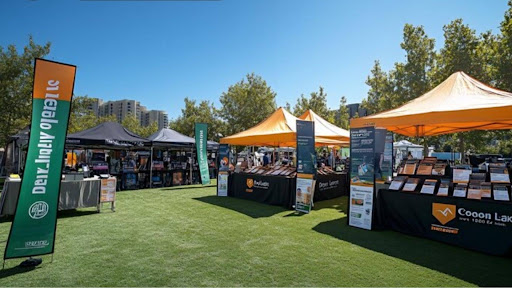
Trade shows have become a very competitive marketing arena where every aspect of an exhibitor’s space plays a part in the “customer experience.” A range of people think of tents for exhibitions simply as a practical covering that shields them from the elements. It isn’t just about the weather; it’s about shielding. A business’s tent design can be a major tool for branding, a warm and inviting central meeting area, and a visual focal point that can shape the perception of visitors before they even speak to the business. When there are hundreds of different brands vying for attention and showcasing their products in crowded exhibition environments, it is crucial to have a well-thought-out design and presentation strategy to stand out. Modern custom promotional tents are available in a wide variety of materials, offering a range of durability, portability, and brand-appealing characteristics that help build professional spaces, drive brand recognition, and foster interaction. With careful planning, a trade show tent can be a dynamic element in the customer engagement process, rather than just a structure.
5 Ways Exhibition Tents Drive Visitor Engagement
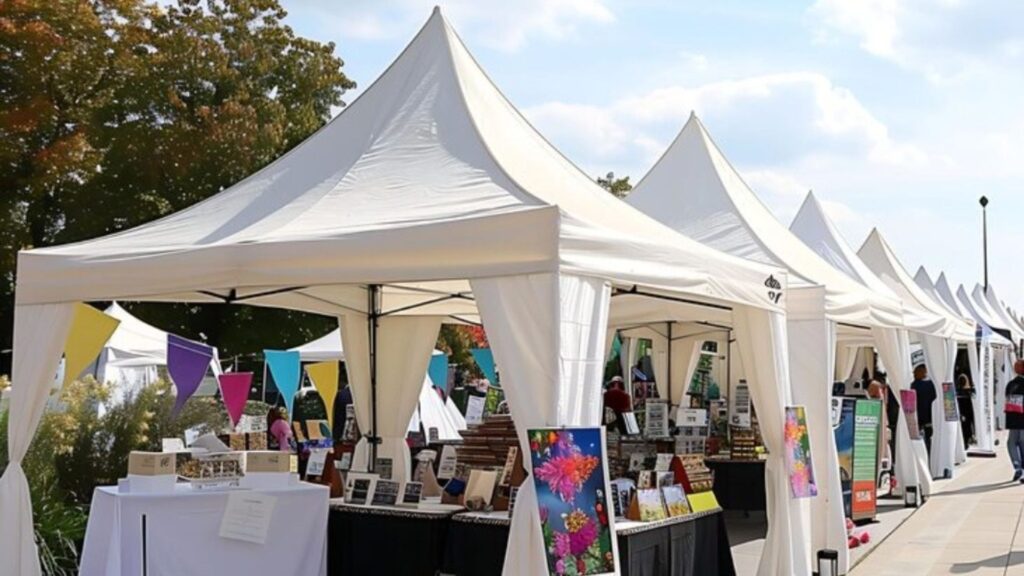
Source: Freepik
- Strong Visual Presence Attracts Visitors from a Distance
Large-scale visual elements such as the inflatable arches are clearly used at events as a natural draw to an exhibition space. Similarly, a professionally designed trade show tent does its job well by making a strong impression on the exhibition floor.
The design of the graphics, the use of bright brand colors, the high placement of signage, and simple architectural lines will make the booth stand out and welcome people before they come near. Large branded canopies can still be seen from several angles and are a good way of finding features at overcrowded facilities.
A visually striking tent will stimulate curiosity, draw more visitors to the site, and give exhibitors more chances to start engaging discussions throughout the event.
- Comfortable Spaces Encourage Longer Interactions
An effective visitor engagement requires not just getting visitors to look at the project, but also putting them in a setting where they can relax and stay for some time. A well-made tent can create a shaded and sheltered environment as well as a structured space where you can have conversations, demonstrate products, and network.
The space is designed to be welcoming and inviting, with plenty of seating areas and clear pathways for visitors to move around. The overall layout of the space is designed to be welcoming and inviting, with ample seating areas and pathways for visitors to move around. In addition to protecting exhibit visitors from sun, wind, or light rain, these structures are ideal for outdoor exhibitions and community events.
The more time people spend in the exhibit, the more time you have to tell them what value your brand has, answer questions, and develop a long-term professional relationship.
- Branding Creates Memorable First Impressions
One of the biggest branding surfaces that are available during a trade show is an exhibition tent. All the visible aspects, including the canopy roof, valances, sidewalls, and banners, affect the overall perception of the business.
Frequent branding and messaging, typography, and colors help establish brand identity and communicate professionalism and attention to detail. Quality print and a consistent design make for a professional look that gives attendees confidence.
Good branding can also help with the recall of the event after it has happened, so that they can keep the company in mind for their next purchase.
- Functional Layouts Support Better Visitor Flow
The key to a successful tent for an exhibition is to create a nice balance of aesthetics and functionality, as well as to lead the visitors through the tent. The removal of barriers such as closed doors, the use of readily available product displays, and the creation of defined interaction spaces encourages exploration.
Designs ensure efficient traffic flow and avoid congestion, especially during peak periods. Product demonstration areas, consultation tables, and information counters should be strategically planned to be convenient for the visitors as well as to be efficient in the use of staff time.
When visitors can move freely around the exhibit, dialogue is more spontaneous, and the quality of interactions and overall event experiences is enhanced.
- Flexibility Allows the Tent to Adapt Across Different Events
Many businesses engage in a number of promotional events, such as community exhibitions, corporate events, product launches, trade shows, and outdoor festivals. An exhibition tent should be versatile enough to work in various types of exhibitions and halls, as well as in different sizes.
Sidewalls are modular, graphics can be changed, displays are expandable, and accessories are portable, so exhibitors can tailor the exhibit to meet their marketing goals. The versatility makes the tent appropriate and interesting for any event.
A flexible framework can be used for long-term marketing plans and can be applied across a variety of campaigns for maximum ROI.
End Point
A trade show tent is more than just a protective tent. It is an effective way to create a memorable first impression, promote engagement, and reinforce brand presence through extensive use of visual branding, engaging visitor spaces, efficient layouts, and adaptable designs. When businesses consider exhibition tents an investment in their marketing tools rather than just a shelter, they’re more likely to design engaging visitor experiences and build memorable connections at each trade show.
