
You’ve just come back from a long, breezy walk along the Thames Path, and you’re finally ready to sit down with a mug of tea. However, the moment you pop a snack into your brand-new air fryer and hit start, the entire kitchen instantly plunges into darkness.
The historic charm of South Chiswick homes is unmatched, but the wiring behind these beautiful walls often tells a completely different story. So, let’s dig into why these old systems struggle to keep up with modern life.
Extra Extensions
Most of the gorgeous properties around South Chiswick started off as modest family homes over a century ago. But as property prices soared, the owners decided to build upwards and outwards to make the most of their space.
The trouble is, while the walls grew, those original electrical cables stayed exactly the same. So, you may have old wires trying to supply power to parts of the house that their creators could never have imagined.
It’s no surprise that they end up behaving like an exhausted employee who is secretly covering five different jobs at once without a coffee break.
Damp Conditions
Let’s face it, older properties and the predictably damp British weather have always been a bit of a nightmare combination. Because we live close to the River Thames, we deal with a lot of lingering moisture.
That damp air slowly seeps into the old brickwork and finds its way into the dark spaces right beneath your floorboards and behind your walls. And over several decades, this moisture eats away at the old protective coatings on your wiring.
The old rubber insulation becomes brittle, cracks open, and allows that dampness to touch the metal inside. So, before you know it, you may notice flickering lights or buzzing sockets.
Temporary Fixes
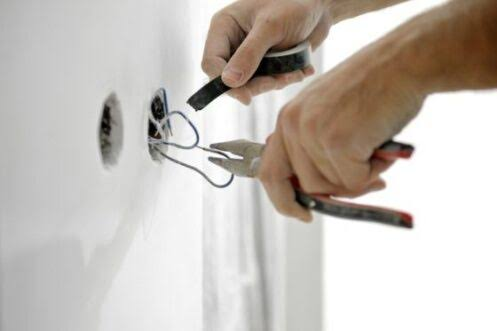
When you buy a classic house in the UK, you also end up dealing with decades of highly creative DIY decisions from previous owners. After all, why hire a professional when a roll of electrical tape and blind confidence exist?
You might find a strange junction box hidden under your stairs, or perhaps someone wanted an extra socket for a tumble dryer and took the easiest shortcut they could find.
Unfortunately, a quick trip to Screwfix can’t fix decades of amateur repairs hidden deep inside your walls.
These vintage quick fixes slowly break down behind your plasterwork until they become a major headache. While they may not seem like a big deal, those loosely taped connections and mismatched cables are ticking bombs waiting to disrupt your evening.
Intense Usage
Think about how many demanding devices you run at the same time without even thinking about it. Your system was never designed for this kind of nonstop demand, and it definitely shows.
These old wires were originally installed when most people owned a single wireless radio and maybe a couple of low-wattage light bulbs. Now, we expect those same circuits to feed smart TVs, laptops, tablets, and a mountain of other gadgets.
Your kitchen appliances alone probably pull more electricity than an entire street did during the reign of King Edward. So, when you plug in multiple high-performance gadgets, the wires can quickly become overloaded and overheated.
What to Do to Avoid Electrical Problems
You don’t have to just sit in the dark and wait for your old wiring to give up entirely. With just a few tweaks, you can keep your home running smoothly and save yourself from a massive emergency bill down the line. Here’s how you can get ahead of the game.
Pay Attention to Flickering Lights and Random Trips
Your Edwardian terrace isn’t just being quirky when the living room lamps start doing their best impression of a 90s strobe light. When you notice flickering bulbs and constantly tripping circuits, it means your system is waving the white flag.
Instead of just walking over to the fuse board, flipping the switch back up, and hoping for the best, you need to take the pressure off the system.
Unplug the last appliance you turned on. If the power trips again straight away, stop forcing the switch back on. Leave it alone and call a local electrician to find the underlying fault.
Limit Extension Leads
If a single wall socket is currently powering half of your living room, your wiring is likely overloaded.
It’s incredibly easy for multi-plug adapters to pile up behind the telly until you’ve accidentally created a miniature, chaotic power station. But when you daisy-chain extension leads, you create a massive electrical bottleneck.
Those vintage cables behind your plasterwork can handle a limited amount of power, usually capped at 13 amps. So, if you force a single socket to feed a smart TV and a couple of lamps through one single point, the wires start generating heat right inside the walls.
To avoid this, plug every extension lead directly into a wall socket, not another adapter. Also, look at your biggest power hogs and make sure they get their own dedicated wall socket instead of sharing a strip.
Get Older Wiring Checked
You probably wouldn’t drive a car for a decade without a single service. So, sort out hidden electrical issues instead of waiting for them to announce themselves with sparks or a strange, acrid smell that sends you rushing for the fire extinguisher.
The best way to do this is to book an Electrical Installation Condition Report (EICR). If you’re looking for a qualified electrician, South Chiswick has many companies you can reach out to for an assessment.
These professionals will run test currents through your circuits to see whether the old insulation is cracking and pull off your socket faces to check for dangerous gaps.
Replace Outdated Fuse Boards
Sure, that ancient wooden fuse box has managed to survive for decades, but so has the plastic garden chair everyone is afraid to sit on. These old units completely lack the modern safety switches that cut off the power instantly when a fault occurs.
If you still have to fix a blown circuit by wrapping copper wire around ceramic pins, you’re dealing with outdated technology.
So, upgrade to a modern consumer unit to give your household instant protection against unexpected electrical surges. These modern units are built to handle heavy electrical loads without breaking a sweat.
Conclusion
You don’t have to accept an unpredictable system as the tax you pay for living in a historic home. With a few changes and some expert help, you can bring your property straight into the modern era.
Your light switches will finally stop flickering, and you can enjoy your tea in the warm glow of a perfectly stable home. So, make that call today and get your system checked.
