
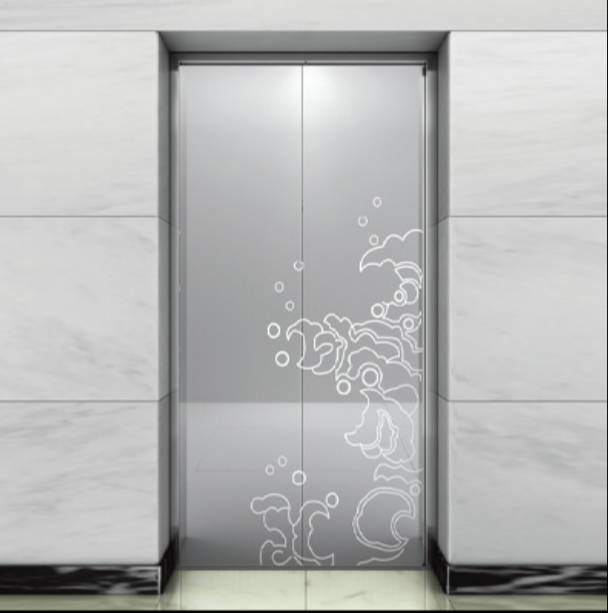
Elevators have various other parts besides the key lifting and control systems. The smaller components play a critical role in assisting the functioning of doors, electrical systems, safety components, installation, and maintenance of the elevators.
Correct selection of the correct type of elevator accessories will assist in ensuring the coordination of various parts of the elevator system. Selection of compatible parts is an essential factor in elevator management and maintenance.
What Are Elevator Accessories?
Elevator Accessories refer to the supportive parts that are used along with elevators/lifts.
These could be mechanical, electrical, safety, door-related, and installation parts. However, the accessories needed depend on many factors like the type of elevator, manufacturer, purpose, etc.
However, even though the accessories may be small, they do play a significant part in the entire operation of the elevator.
Why Are Elevator Accessories Important?
An elevator is an integrated system instead of just one machine. There is a requirement for many components for its efficient functioning.
There are some components that will facilitate good installation, operation, maintenance, and replacement of various components. Compatibility will also be improved by using components compatible with the existing system.
For these reasons, accessories must be chosen on the basis of technical specifications of the elevator.
Common Types of Elevator Accessories
Mechanical Accessories
Mechanical accessories support the physical operation and structure of elevator systems.
Depending on the elevator design, these components may be associated with moving parts, mounting, alignment, or other mechanical functions.
Material quality and dimensional compatibility are particularly important when selecting mechanical components.
Electrical Accessories
Electrical accessories can form part of the elevator’s power, control, or communication systems.
These components must match the electrical requirements of the elevator. Voltage, connections, dimensions, and system compatibility should be checked before installation.
Electrical elevator work should always be handled by qualified professionals.
Elevator Door Accessories
Elevator doors are among the most frequently operated parts of a lift.
Door-related accessories can support functions such as opening, closing, positioning, and safe door operation. The correct component depends on the door system and elevator design.
A replacement should match the existing door equipment and manufacturer’s specifications.
Safety Accessories
Safety is a fundamental consideration in elevator design.
Certain accessories may support safety-related functions within the overall system. These components should never be modified, bypassed, or replaced with incompatible alternatives.
Safety-related elevator work should follow applicable regulations and manufacturer requirements.
Installation Accessories
Some components are used during elevator installation or system assembly.
These accessories can help installers achieve appropriate positioning, connections, and component integration. The specific requirements vary according to the elevator model and installation design.
Where Are Elevator Accessories Used?
Residential Buildings
Residential elevators and lifts require suitable components for regular passenger use.
Accessories may be required during initial installation, maintenance, or replacement of worn parts. Compatibility remains important, particularly in compact residential systems.
Commercial Buildings
Office buildings, hotels, shopping centers, and other commercial properties can have high elevator usage.
Regular operation increases the importance of reliable components and proper maintenance. Suitable accessories can support servicing and replacement requirements throughout the elevator’s operating life.
Industrial Facilities
Industrial environments can place additional demands on elevator systems.
Dust, temperature, heavy usage, and industrial traffic may affect component selection. Accessories should be chosen according to the specific operating environment and elevator design.
Modernization Projects
Older elevator systems may eventually require modernization.
Some parts might be hard to find or no longer satisfy the demands of a new system. The substitution of selected accessories can be done in the course of modernization, but their compatibility needs to be checked in the context of the system as a whole.
How to Choose the Right Elevator Accessories
Check Compatibility
Compatibility is the most important factor.
The accessory has to be compatible with your elevator model and other parts of the system. Before buying, make sure to check the manufacturer’s data, size, connections, etc.
An apparently identical part may fail to work because of different specifications.
Consider the Application
The building and elevator’s intended use can affect accessory requirements.
A residential lift may have different operating conditions from a high-traffic commercial elevator. Consider passenger volume, operating frequency, environment, and system design.
Review Material and Build Quality
Material quality can influence durability and reliability.
For components exposed to regular movement or mechanical stress, construction quality is particularly important. Buyers should consider the supplier’s manufacturing standards and quality-control processes.
Consider Maintenance Requirements
Replacement parts should support the long-term serviceability of the elevator.
Before selecting an accessory, consider whether technical documentation, replacement availability, and supplier support are available. This can make future maintenance easier.
Follow Local Requirements
The installation of elevators is controlled by various safety laws that depend on the geographical location.
Codes related to the buildings, elevators, and inspections will need to be taken into consideration while planning such installations or modernizations.
Why Professional Installation Matters
Elevator systems involve electrical, mechanical, and safety-critical components.
Incorrect installation can affect elevator performance and may create serious safety risks. For this reason, accessories should be installed and tested by qualified elevator technicians.
Professionals can also verify component compatibility and follow the manufacturer’s technical instructions.
This is particularly important for safety-related, electrical, and door components.
Elevator Accessories and Maintenance
Maintenance can help to detect faulty or damaged parts before there are more serious problems.
Maintenance personnel can examine mechanical and electrical parts, detect any abnormal noise or vibration, and change parts where needed.
An effective maintenance schedule can be determined based on the elevator model, its usage, and other factors.
Replacement of parts is an essential part of maintenance.
Elevator Accessories for Modernization
Modernization can extend the usefulness of an existing elevator system.
During a modernization project, contractors may evaluate older components and determine whether replacement is necessary. New accessories may need to work with existing equipment or with upgraded controls and other components.
This requires careful planning.
Replacing one component without considering the rest of the system can create compatibility problems. A complete technical assessment is therefore recommended before major modernization work.
Why Choose a Reliable Elevator Component Supplier?
The supplier is an important part of the purchasing decision.
A reliable manufacturer should provide clear product information, consistent manufacturing quality, technical documentation, and appropriate support.
GOTS Elevator provides an elevator accessories category for buyers looking for components and supporting products for lift systems. Its product range can be considered by elevator manufacturers, contractors, installers, distributors, and maintenance professionals looking for compatible elevator equipment.
When purchasing for a specific project, buyers should provide the relevant elevator model and technical requirements. This makes it easier to identify an appropriate component.
Frequently Asked Questions
What are elevator accessories?
Elevator accessories are supporting components used in lift systems. They can include mechanical, electrical, door, safety, and installation-related products. The required accessories depend on the elevator’s design and technical specifications.
How do I choose the right elevator accessories?
Start by checking compatibility with the elevator model and existing components. Consider dimensions, electrical requirements, operating conditions, material quality, and applicable safety requirements. Manufacturer documentation and professional technical advice can help with selection.
Can elevator accessories be used with any elevator?
No. Elevator accessories are not universally compatible. Components can differ in dimensions, connections, electrical requirements, and operating specifications. Always confirm compatibility before purchasing or installing a replacement part.
Why is professional installation important?
Elevators contain safety-critical mechanical and electrical systems. Incorrect installation can affect operation and create safety risks. Qualified elevator technicians can install, test, and verify components according to manufacturer instructions and applicable requirements.
Can accessories be replaced during elevator modernization?
Yes. Accessories can be replaced as part of an elevator modernization project when existing components are outdated, worn, unavailable, or incompatible with upgraded equipment. Evaluate the complete system before making component changes.
Conclusion
Though these parts may be small compared to other elevator parts, they may serve an important function during installation, operation, maintenance, and modernization. Accessories such as mechanical, electrical, door, safety, and installation accessories each have their own purpose.
The right component should be selected taking into account many factors. These include compatibility, specifications, and application. Cooperation with an experienced elevator components supplier and installation experts may be beneficial here.
