
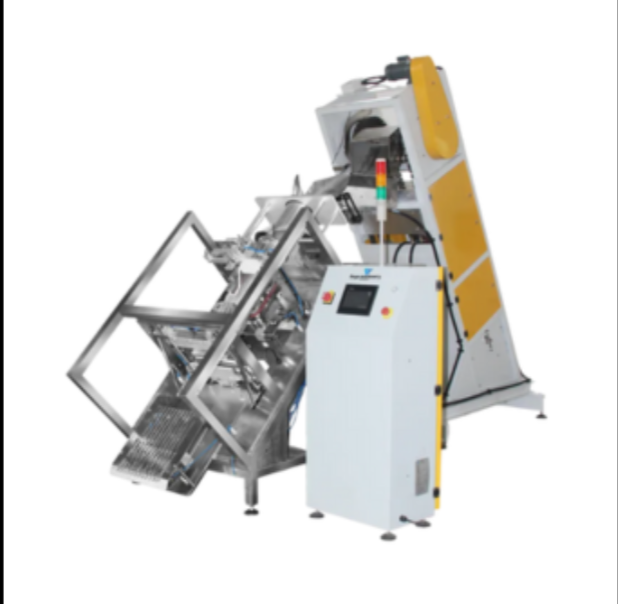
The hardware packing machine helps in automatically counting, weighing, filling, sealing, and packing small-sized hardware products. The packing machine is capable of handling products like screws, bolts, nuts, washers, nails, rivets, and other parts.
For manufacturers and suppliers, automation of hardware packaging is helpful to save labor on repeated manual tasks.
What Is a Hardware Packing Machine?
A hardware packing machine is packaging equipment designed for small parts and components. Depending on the machine configuration, it can count or weigh products before placing them into bags or other packaging formats.
JOCHAMP offers hardware packing solutions for fasteners, bearings, screws, rubber parts, nails, PVC tape, LED bulbs, and other products. Its machines can be customized according to product characteristics and packaging requirements.
Some systems can perform several operations in one process. These may include feeding, counting, filling, sealing, cutting, labeling, printing, and weight checking.
How Does a Hardware Packing Machine Work?
The exact process depends on the product and machine configuration. A typical system follows several stages.
1. Product Feeding
Hardware parts are placed into a hopper or feeding system.
Products may be fed into the counting unit using a vibratory bowl feeder or any other method. The type of feeding device to be used depends on the nature of the hardware being handled.
2. Product Counting
The device will determine how many pieces need to be packed per pack.
This is particularly applicable to screws, nuts, bolts, washers, and other components that are packaged in predetermined amounts.
3. Weighing
Some applications use weight-based measurement instead of piece counting.
The appropriate method depends on the product and required packaging accuracy.
4. Bag Formation
Packaging film is formed into the required bag shape.
The machine can adjust bag length and other parameters according to the selected configuration.
5. Product Filling
The counted or measured hardware is transferred into the bag.
The machine can also reject incorrect quantities in suitable configurations.
6. Sealing and Cutting
After filling, the bag is sealed and cut.
This creates individual packages that can then move to a conveyor or another packaging stage.
7. Inspection and Discharge
Optional weighing or checking systems can verify finished packages before discharge.
Additional equipment may include printers, labeling machines, conveyors, and other packaging accessories.
Main Types of Hardware Packing Machines
Different hardware products require different packaging approaches.
Screw Packing Machine
A screw packing machine is designed for automated packaging of screws and similar small fasteners.
Counting systems can help place a predetermined number of screws into each bag. This can be more efficient than manual counting for high-volume operations.
Nut and Washer Packing Machine
Nuts and washers have relatively regular shapes, making them suitable for automated track-counting systems.
The machine can separate and count pieces before transferring them into individual packages.
Fastener Packing Machine
Fastener packaging machines can handle products such as screws, bolts, nuts, washers, rivets, and nails.
The required feeder and counting mechanism should be selected according to the product dimensions and shape.
Nail Packing Machine
Nails can be packaged using systems designed for counting and filling elongated metal parts.
The feeding mechanism must maintain a stable product flow to support consistent counting.
Bearing Packing Machine
Bearings have different shapes and weights compared with small fasteners.
The machine configuration should therefore be selected around the bearing size, quantity, packaging format, and required production rate.
Counting Packing Machine
A counting packing machine focuses on accurate piece counting before filling.
JOCHAMP describes both optical sensor counting and track counting systems for different hardware applications.
Hardware Counting Systems
Counting accuracy is one of the most important features of a hardware packing machine.
Optical Sensor Counting
Optical sensor counting can be suitable for hardware products with regular or irregular shapes.
JOCHAMP identifies wooden and plastic hardware parts as examples of products that can use this type of counting system.
Track Counting
Track counting is suited to products with more regular shapes.
It can be used for nuts, washers, bolts, screws, and similar components.
The correct system depends on the product’s shape, dimensions, surface, and feeding characteristics.
What Products Can a Hardware Packing Machine Handle?
Hardware packaging machines can be used for many small components.
Metal Fasteners
Common examples include:
- Screws
- Bolts
- Nuts
- Washers
- Rivets
- Nails
These products are frequently packaged in fixed quantities for retail or industrial distribution.
Rubber and Plastic Parts
Suitable systems can also package:
- Wall anchors
- Rubber O-rings
- Small plastic parts
- Plastic components
- Certain toys and building pieces
The counting mechanism should be selected according to the product’s physical characteristics.
Other Hardware Components
Hardware packing machines can also handle metal parts, connectors, and other small components.
The machine should be tested with the actual product before final configuration.
Key Components of a Hardware Packing Machine
A typical machine can contain several important components.
Vibratory Bowl Feeder
The feeder separates and moves hardware parts toward the counting system.
Precision Counting System
This determines the number of pieces required for each package.
Packaging Film
The film provides the material used to create the individual bags.
Bag-Making System
This forms the film into the required package shape.
Conveyor
A finished-product conveyor moves sealed packages away from the machine.
Touchscreen Control Panel
The operator can use the interface to monitor the machine and adjust available settings.
Temperature Controller
Temperature control helps maintain suitable sealing conditions.
JOCHAMP lists these components as part of its hardware packing machine structure.
Benefits of Using a Hardware Packing Machine
Accurate Counting
Automated counting can help maintain consistent quantities in each package.
JOCHAMP states that its hardware packing machines can achieve counting accuracy of up to 99.9% under suitable conditions.
Faster Packaging
Automation can process hardware parts faster than repetitive manual counting and bagging.
This can be useful for manufacturers handling large quantities of small components.
Reduced Manual Labor
Automated feeding, counting, filling, and sealing reduce repetitive packaging tasks.
Operators can focus on machine monitoring, material supply, and quality control.
Consistent Bag Appearance
Automated bag forming and sealing can produce more uniform packages.
JOCHAMP also highlights adjustable bag dimensions and mechanisms designed to reduce wrinkles and material-related problems.
Flexible Packaging
Hardware parts can be packaged into bags and, depending on the machine configuration, other packaging formats.
Optional devices can also support printing, labeling, weighing, and conveying.
Automation Features
Modern hardware packing machines can combine several automated functions.
These may include:
- Automatic counting
- Automatic feeding
- Bag forming
- Filling
- Sealing
- Cutting
- Weight checking
- Printing
- Labeling
- Product rejection
- Conveyor discharge
JOCHAMP’s systems can also include optional devices such as code printers, refill hoppers, feeding conveyors, weighing check machines, and intelligent printers.
PLC control and touchscreen operation can make it easier to monitor and manage the packaging process.
How to Choose a Hardware Packing Machine
Choosing the right machine starts with understanding the product.
Consider Product Size and Shape
Measure the hardware components carefully.
Important factors include:
- Length
- Width
- Diameter
- Weight
- Shape
- Surface characteristics
Small irregular parts may require a different counting system than regular metal fasteners.
Choose Counting or Weighing
Decide whether the product should be counted by pieces or measured by weight.
Piece counting is useful when each package must contain a specific number of components. Weighing may be more appropriate for certain products or applications.
Determine Production Capacity
Calculate the required packages per minute or hour.
Do not rely only on the machine’s maximum advertised speed. Actual production can depend on product flow, counting method, package quantity, and operator requirements.
Check Packaging Requirements
Consider:
- Bag dimensions
- Packaging material
- Required seal
- Package weight
- Printing requirements
- Labeling requirements
These details help determine the machine configuration.
Consider Future Products
If you package several types of hardware, flexibility becomes important.
A machine with adjustable tooling and configurable counting systems may be more useful than equipment designed for only one component.
Why Choose JOCHAMP for a Hardware Packing Machine?
JOCHAMP manufactures hardware packing machines for different types of components and packaging requirements. Its range includes fastener, bearing, LED bulb, counting, PVC tape, nail, screw, fabric, and rubber packing machines.
The company states that its machines can be customized in size and design. It also offers sample testing to evaluate counting accuracy, packaging results, and machine performance before production.
JOCHAMP’s hardware solutions can also integrate with existing production lines. Optional equipment includes printers, conveyors, checkweighers, refill hoppers, and other packaging devices.
For manufacturers looking for a hardware packing machine, testing the actual components before purchasing can help ensure that the feeder and counting system match the application.
Frequently Asked Questions
What is a hardware packing machine?
A hardware packing machine is automated equipment used to count or weigh hardware parts and then fill, seal, and package them. It is commonly used for screws, nuts, bolts, washers, nails, and other small components.
Can a hardware packing machine count screws?
Yes. Screw counting is a common application. Track counting can be suitable for screws and other regular-shaped hardware components.
What hardware products can be packaged?
Machines can be configured for fasteners, bearings, screws, nuts, washers, nails, rivets, rubber parts, plastic components, and other small hardware products.
Is counting better than weighing for hardware parts?
It depends on the product. Counting is useful when every package needs a fixed number of pieces. Weighing may be preferable for products where piece counting is less practical.
Can a hardware packing machine be customized?
Yes. JOCHAMP states that its hardware packing machines can be customized according to product features, packaging requirements, production speed, machine configuration, and other requirements.
Can I test my hardware products before purchasing?
JOCHAMP states that it provides sample testing to evaluate counting accuracy, packaging results, and machine performance before production.
Conclusion
A hardware packing machine may be able to handle the process of counting, weighing, filling, sealing, and handling hardware parts. This machine may be utilized to pack screws, bolts, nuts, washers, nails, rivets, rubber parts, plastic components, and others.
What kind of machine to use depends on several factors, including product dimensions and shape, counting mechanism, packaging method, and production volume. Testing the actual hardware parts will assist in ensuring proper feeding and reliable packaging.
