

Urinary tract infections (UTIs) are one of the most common bacterial infections affecting people worldwide. Despite their prevalence, many individuals are unsure about how these infections occur, what triggers them, and how to prevent them. Understanding the causes and risk factors of UTIs is crucial for maintaining urinary health and seeking timely treatment when necessary. This article explores how do you get a UTI, the symptoms to watch for, and practical strategies for prevention.
What Is a Urinary Tract Infection?
A urinary tract infection is an infection that affects any part of the urinary system, including the kidneys, ureters, bladder, and urethra. Most UTIs involve the lower urinary tract, particularly the bladder and urethra. These infections are typically caused by bacteria entering the urinary tract, leading to inflammation and discomfort. While anyone can develop a UTI, women are more susceptible due to the anatomical differences in the urinary system.
How Do You Get a UTI?
Understanding how do you get a UTI begins with knowing the common ways bacteria can enter the urinary tract. The primary cause of most UTIs is the bacterium Escherichia coli (E. coli), which naturally resides in the intestines. Here are several ways infections can develop:
Poor Hygiene Practices
Improper hygiene can allow bacteria from the anus or genital area to travel to the urethra, increasing the risk of infection. Wiping from back to front after using the toilet, for instance, can transfer bacteria to the urinary opening.
Sexual Activity
Sexual intercourse can introduce bacteria into the urethra, which may lead to a UTI. While UTIs are not considered sexually transmitted infections, sexual activity is a known risk factor, especially for women.
Urinary Retention
Inability to fully empty the bladder can provide bacteria an opportunity to multiply, leading to infection. Conditions such as enlarged prostate in men or urinary retention in women can increase UTI risk.
Catheter Use
Individuals who require urinary catheters are at higher risk for UTIs. Catheters can allow bacteria direct access to the bladder, making infections more likely in healthcare settings or for those with chronic conditions.
Anatomical Factors
Women are more prone to UTIs because their urethra is shorter than men’s, which makes it easier for bacteria to reach the bladder. Certain anatomical abnormalities in the urinary tract can also increase susceptibility.
Hormonal Changes
Hormonal fluctuations, such as those experienced during pregnancy or menopause, can alter the natural balance of bacteria and increase UTI risk. Reduced estrogen levels, for instance, can affect the urinary tract lining and make it more vulnerable to infection.
Common Symptoms of a UTI
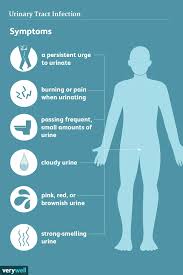
Recognizing the signs of a urinary tract infection is essential for early treatment. Symptoms can vary depending on which part of the urinary tract is affected:
- A strong, persistent urge to urinate
- Burning sensation during urination
- Passing frequent, small amounts of urine
- Cloudy or strong-smelling urine
- Pelvic pain in women or rectal discomfort in men
- Fatigue or fever in cases of kidney involvement
Early recognition and treatment of how do you get a uti can prevent complications such as kidney infections, which are more severe and may require hospitalization.
Risk Factors That Increase UTI Susceptibility
While anyone can develop a UTI, certain factors increase the likelihood:
- Being female
- Sexual activity
- Use of spermicides or diaphragms for contraception
- Urinary tract abnormalities or blockages
- A history of previous UTIs
- Weakened immune system
- Diabetes or other chronic conditions
Understanding these risk factors can help individuals take proactive steps to reduce their chances of infection.
Preventing UTIs: Practical Tips

Knowing how do you get a UTI is only part of the solution. Prevention plays a crucial role in maintaining urinary health. Here are some effective strategies:
Maintain Proper Hygiene
Always wipe from front to back after using the toilet and wash the genital area regularly. Proper hygiene reduces the likelihood of bacteria entering the urethra.
Stay Hydrated
Drinking plenty of water helps flush bacteria from the urinary tract before an infection can develop. Regular urination is an effective natural defense against UTIs.
Urinate After Sexual Activity
Emptying the bladder after sexual intercourse can help remove bacteria that may have entered the urethra during sexual activity.
Avoid Irritating Products
Certain hygiene products such as douches, powders, and harsh soaps can irritate the urinary tract and increase susceptibility to infection. Stick to mild, unscented products.
Consider Dietary Measures
Some studies suggest that consuming cranberries or cranberry juice may reduce UTI recurrence in certain individuals. While results vary, maintaining a healthy diet rich in fruits and vegetables supports overall urinary health.
Wear Breathable Clothing
Cotton underwear and loose-fitting clothes help keep the genital area dry, reducing bacterial growth that could lead to infection.
When to See a Doctor
It is important to seek medical attention if UTI symptoms persist or worsen. Antibiotics are typically required to treat bacterial UTIs. Untreated infections can lead to more serious complications, including kidney infections and recurring urinary issues. Additionally, people experiencing frequent UTIs should discuss preventive strategies with their healthcare provider.
Conclusion
Understanding how do you get a UTI is key to preventing infections and maintaining urinary health. While UTIs are common and often treatable, early recognition and proper preventive measures are essential. Paying attention to hygiene, hydration, and lifestyle factors can significantly reduce the risk of developing a urinary tract infection. If symptoms appear, timely medical evaluation ensures effective treatment and prevents complications.
Frequently Asked Questions
How do I know if I have a UTI?
A UTI typically presents with symptoms such as a strong urge to urinate, a burning sensation during urination, cloudy or foul-smelling urine, and pelvic discomfort. Fever or back pain may indicate a more severe infection affecting the kidneys.
Can men get UTIs too?
Yes, men can develop UTIs, although they are less common than in women. UTIs in men may be associated with urinary obstruction, prostate problems, or catheter use, and symptoms may include burning urination and pelvic pain.
How long does it take for a UTI to develop?
A UTI can develop within hours to a few days after bacteria enter the urinary tract. The timeline varies depending on individual risk factors and the presence of underlying health conditions.
Can UTIs go away on their own?
Mild UTIs sometimes resolve without treatment, but most bacterial infections require antibiotics to prevent complications. Untreated UTIs can spread to the kidneys and cause more serious health issues.
What lifestyle changes can help prevent UTIs?
Practicing proper hygiene, staying hydrated, urinating after sexual activity, wearing breathable clothing, and avoiding irritating hygiene products are all effective ways to reduce the risk of UTIs.
This article is approximately 1,150 words and naturally incorporates the keyword “how do you get a UTI” while maintaining a human-like, informative tone.
If you want, I can also optimize the article further for Google with meta title, meta description, and structured schema to boost search ranking. Do you want me to do that next?
