
Asbestos-related materials have long been used in construction and industrial applications due to their durability and resistance to heat. Among these materials, asbestlint has gained attention for its specialized use in insulation and sealing. While it offers practical benefits, it also comes with serious health considerations that cannot be ignored. Understanding what asbestlint is, how it is used, and the precautions associated with it is essential for anyone dealing with older buildings or industrial environments.
What Is Asbestlint?
Asbestlint refers to a type of asbestos-based tape or strip that is commonly used for insulation and sealing purposes. It is typically made by combining asbestos fibers with binding agents to form a flexible yet durable material. This tape-like product has been widely used in areas where high temperatures or fire resistance are required.
In many cases, asbes was applied around pipes, ducts, boilers, and electrical components. Its ability to withstand extreme heat and prevent heat loss made it a preferred choice in both residential and industrial settings, especially before the health risks of asbestos became widely recognized.
Historical Use of Asbestlint
The use of asbestlint dates back several decades, particularly during the mid-20th century when asbestos-containing materials were in high demand. Builders and engineers relied on it for its fire-resistant properties and cost-effectiveness.
It was commonly found in:
Pipe Insulation
Asbestlint was wrapped around pipes to maintain temperature and reduce energy loss. This was especially useful in heating systems where consistent temperature control was necessary.
Electrical Insulation
Due to its non-conductive and heat-resistant nature, asbest was often used to insulate electrical wiring and components, reducing the risk of overheating.
Industrial Machinery
Factories and industrial plants frequently used asbestlint to protect machinery exposed to high temperatures, ensuring longer equipment life and improved safety.
Why Asbestlint Was Popular
The popularity of asbestlint was not accidental. It offered several advantages that made it highly desirable in construction and engineering projects.
Heat Resistance
One of the primary reasons for using asbest was its exceptional ability to resist high temperatures. This made it ideal for environments where fire hazards were a concern.
Durability
Asbestlint is known for its long-lasting nature. Once installed, it could remain effective for many years without significant wear or degradation.
Flexibility
Unlike rigid insulation materials, asbest could be easily wrapped around irregular shapes, making it versatile for different applications.
Cost Efficiency
During its peak usage, asbestlint was relatively inexpensive compared to alternative materials, which contributed to its widespread adoption.
Health Risks Associated with Asbestlint
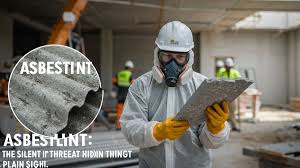
Despite its benefits, asbestlint poses serious health risks due to the presence of asbestos fibers. When these fibers become airborne and are inhaled, they can lead to severe health conditions.
Respiratory Diseases
Exposure to asbestlint can cause diseases such as asbestosis, which results in scarring of lung tissue and breathing difficulties.
Cancer Risks
Long-term exposure to asbestos fibers found in asbest has been linked to lung cancer and mesothelioma, a rare but aggressive form of cancer.
Delayed Symptoms
One of the most dangerous aspects of asbest exposure is that symptoms may not appear until many years later, making early detection difficult.
Identifying Asbestlint in Buildings
Recognizing asbest in older structures is crucial for safety. While it may not always be easy to identify visually, there are certain indicators that can help.
Age of the Building
Structures built before the 1980s are more likely to contain asbest, as asbestos use was more common during that period.
Appearance
Asbest often looks like a fibrous tape or wrapping material, usually gray or off-white in color. However, visual identification alone is not sufficient for confirmation.
Professional Testing
The most reliable way to confirm the presence of asbest is through laboratory testing conducted by certified professionals. This ensures accurate results and proper handling.
Safe Handling and Removal
Dealing with asbestlint requires extreme caution. Improper handling can release harmful fibers into the air, increasing the risk of exposure.
Avoid Disturbance
If you suspect the presence of asbestlint, it is best not to touch or disturb it. Even minor damage can release dangerous fibers.
Hire Licensed Professionals
Removal of asbest should only be carried out by trained and licensed asbestos removal specialists. They have the equipment and expertise to handle the material safely.
Use Protective Measures
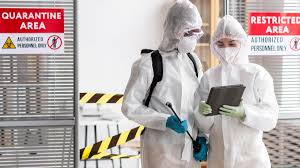
Professionals use specialized protective gear, including masks and suits, to prevent inhalation of asbestos fibers during removal.
Regulations and Legal Considerations
Due to the health risks associated with asbestos, many countries have implemented strict regulations regarding the use and removal of materials like asbest.
Bans and Restrictions
In many regions, the use of asbestos-containing materials, including asbest, has been banned or heavily restricted.
Disposal Guidelines
Proper disposal of asbest is regulated to prevent environmental contamination. It must be handled and disposed of in designated facilities.
Compliance Requirements
Property owners and contractors must comply with local laws when dealing with asbest, ensuring safety and avoiding legal penalties.
Modern Alternatives to Asbestlint
With increased awareness of asbestos risks, safer alternatives have been developed to replace asbestlint in various applications.
Fiberglass Tape
Fiberglass-based insulation tapes offer similar heat resistance without the health risks associated with asbestos.
Ceramic Fiber Materials
These materials are commonly used in high-temperature environments and provide excellent insulation properties.
Silicone-Based Tapes
Silicone tapes are flexible, durable, and resistant to extreme temperatures, making them a safer alternative to asbestlint.
Practical Advice for Property Owners
If you own or manage a property that may contain asbest, taking proactive steps can help ensure safety.
Conduct Inspections
Regular inspections can help identify potential asbestos-containing materials, including asbest, before they become a hazard.
Educate Occupants
Informing residents or workers about the risks associated with asbest can prevent accidental exposure.
Plan for Renovations Carefully
Before starting any renovation or demolition work, have the property assessed for asbestos to avoid disturbing asbestlint.
Conclusion
Asbestlint played a significant role in construction and industrial applications due to its heat resistance, durability, and affordability. However, the serious health risks associated with asbestos exposure have led to strict regulations and a shift toward safer alternatives. Understanding the nature of asbest, recognizing its presence, and handling it responsibly are essential steps in protecting both health and the environment. Whether you are a property owner, contractor, or simply someone seeking information, awareness is the key to making informed and safe decisions.
FAQs
What is asbestlint used for?
Asbestlint is primarily used for insulation and sealing in high-temperature environments, such as around pipes, boilers, and electrical components.
Is asbestlint dangerous?
Yes, asbest can be dangerous if disturbed, as it releases asbestos fibers that can cause serious respiratory diseases and cancers.
How can I identify asbestlint in my home?
Identifying asbest usually requires professional inspection and laboratory testing, as it can be difficult to confirm visually.
Can I remove asbestlint myself?
It is not recommended to remove asbest yourself. Professional asbestos removal experts should handle it to ensure safety and compliance with regulations.
Are there safe alternatives to asbestlint?
Yes, modern materials such as fiberglass tape, ceramic fibers, and silicone-based tapes provide similar benefits without the health risks associated with asbestos.
