
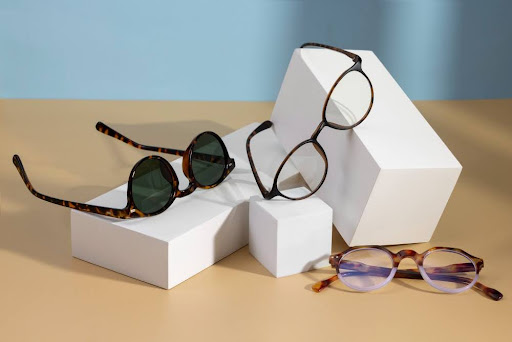
Most people own one pair of glasses and make them work for everything. Work, driving, reading, evenings out, sports, screen time at midnight. One frame doing a job it was never really designed to handle across twelve different contexts.
The idea of owning multiple pairs still feels like an indulgence to a lot of people, but it is worth reconsidering. The cost of a second or third pair has dropped considerably as online eyewear retail has grown, and the difference a purpose-suited pair makes to comfort and performance in a specific situation is genuinely significant. Prescription glasses for distance are not the same thing as what your eyes need for six hours at a computer. Reading glasses are not the same as what you need for a formal dinner. Treating them as interchangeable works, but it works poorly.
Here is how to think about building a collection that actually covers the occasions in your life rather than one pair stretched across all of them.
Everyday Prescription Glasses
The starting point for most people is a reliable everyday pair. These are the glasses you reach for first, wear most often, and need to handle the widest range of situations without failing at any of them. For most wearers that means a single vision distance correction in a frame that suits their face, is durable enough for daily use, and feels comfortable after eight or more hours.
Lightweight glasses have become the most practical choice for everyday wear. Titanium and TR90 frames weigh almost nothing, reduce pressure on the nose bridge and temples over a long day, and hold their shape well through regular use. If you have never worn a lightweight frame and have been putting up with something heavier out of habit, the difference is worth experiencing.
Frame style for everyday glasses is a personal choice, but unisex frames have expanded considerably as a category and are worth considering if you want something that works across a broader range of contexts without feeling specifically dressed up or casual.
Blue Light Glasses for Screen Work
If a significant part of your day involves a computer screen, blue light glasses are worth having as a dedicated pair. Wearing your distance prescription glasses for eight hours of close screen work asks the eye muscles to hold a sustained near focus they were not designed for at that focal length, and filtering blue light while also having a lens optimised for screen distance addresses two causes of digital eye strain at once.
Blue light glasses are available with or without prescription. For people who do not need vision correction, non-prescription glasses with a blue light coating are a straightforward addition that costs very little and removes a source of end-of-day fatigue that most screen workers have simply accepted as normal.
For those who do wear a prescription, having blue light glasses made with a slight adjustment for intermediate viewing distance, the 50 to 70 centimetre range where most monitors sit, reduces the sustained focus effort considerably. This is a separate lens calculation to your standard distance prescription and is worth discussing with your optician if screen fatigue is a consistent issue.
Reading Glasses
Reading glasses are the most underestimated item in a glasses collection. People who need them often resist getting a dedicated pair, either because they are managing with their distance prescription or because reading glasses carry associations they would rather avoid.
The practical reality is that reading glasses make a material difference to comfort during any sustained near task, whether that is a book, a phone, a menu, or paperwork. The eye muscles required for near focus fatigue in exactly the same way as any other muscle held in a fixed position, and a lens optimised for reading distance reduces that effort significantly.
Reading glasses do not need to be prescription. Off-the-shelf reading glasses in the correct strength work well for a large proportion of people with straightforward near vision needs. If your two eyes require different corrections, or if you have astigmatism, prescription reading glasses from an optician will perform better.
A second pair of reading glasses kept somewhere other than the main pair is also a practical investment. A pair in the bedroom, a pair at the desk, and a pair in a bag means you are never looking for them when you need them.
Varifocal Glasses
For anyone who needs both distance and near correction, varifocal glasses remove the need to switch between pairs by incorporating multiple focal zones into a single lens. Distance at the top, intermediate in the middle, reading at the bottom, all graduated continuously without a visible line.
Varifocals are worth including in a collection specifically because they simplify the occasions where switching glasses is inconvenient. Driving to a restaurant, reading the menu, talking to people across the table, and then driving home again is one continuous experience in varifocals rather than a series of lens swaps.
The adjustment period for first-time varifocal wearers is real and worth knowing about in advance. Most people adapt within one to two weeks. The peripheral distortion in the lower portion of the lens, which is a function of how the prescription transitions, reduces significantly as the brain learns to use the central zones more automatically.
A Style Pair for Evenings and Occasions
This is the pair that does not need to work hard optically but should look deliberate. Mens glasses in bolder acetate frames, or thinner metal frames for a more understated look, worn specifically for social occasions where the everyday pair feels too workaday.
Ray-Ban glasses sit in this category for many people, not because the optics are different but because the frames carry a design identity that suits occasions outside the office. Whether it is a classic Wayfarer shape or something from the more recent ranges, having a second pair specifically for evenings and events means you are not compromising between looking right and seeing well.
This pair can be prescription or non-prescription depending on your needs. For lower prescriptions, a non-prescription frame in a style you genuinely like is a practical and inexpensive way to add something to the collection that the everyday pair does not cover.
Dry Eye Drops as Part of the Kit
Dry eye drops do not sit in a frame, but they belong in any honest discussion of a complete eyewear setup. Extended screen time, air-conditioned offices, long drives, contact lens wear, and the general environmental demands of a full day all reduce the tear film that keeps the eye surface comfortable.
A small bottle of preservative-free lubricating drops alongside your glasses collection covers the one source of eye discomfort that no lens technology directly addresses. Applied once or twice during the day, they keep the eye surface hydrated in a way that makes every pair of glasses more comfortable to wear for longer.
How to Build the Collection Gradually
You do not need all of these at once. A practical approach is to start with what your daily life most clearly demands and add from there.
| Occasion | Recommended Pair | Prescription Needed |
| Daily wear and driving | Lightweight single vision frames | Yes |
| Computer and screen work | Blue light glasses | Optional |
| Reading and close tasks | Reading glasses | Optional |
| Distance and near combined | Varifocal glasses | Yes |
| Evening and social occasions | Style frames | Optional |
If you already have an everyday pair and spend significant time at a screen, blue light glasses are the most logical next addition. If near vision is becoming more of an effort, reading glasses follow from that. The style pair and varifocals come in when the collection has the functional bases covered.
The Bottom Line
A glasses collection built around the actual occasions in your life performs considerably better than one pair doing everything. Blue light glasses for screen work, reading glasses for sustained near tasks, varifocals for situations where switching is inconvenient, a lighter everyday frame, and something that looks considered for evenings out covers most of what a full week actually involves.
None of these need to be expensive to be effective. The price of prescription glasses has come down significantly, non-prescription glasses for screen use and style are more affordable still, and the combined benefit of wearing the right pair for the right occasion adds up over the course of a typical week.
