
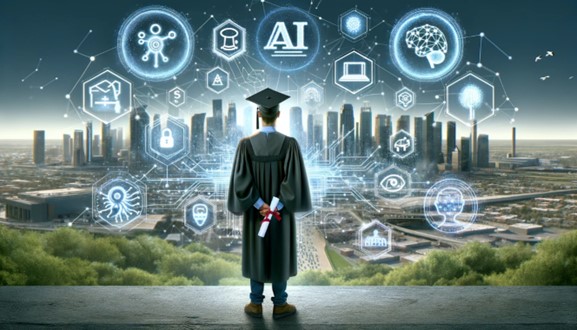
Higher education institutions face growing demands for information from prospective students, current learners, parents, alumni, and community stakeholders. Admissions deadlines, financial aid questions, course registration concerns, and campus service inquiries can create substantial workloads for support teams. Artificial intelligence is helping colleges and universities manage these increasing demands while maintaining high service standards. Through strategic implementation, AI enables institutions to respond efficiently and enhance the overall student experience.
Managing Admissions Inquiries More Effectively
Admissions departments often experience seasonal spikes in communication volume. Prospective students frequently seek information about requirements, deadlines, application status, and campus life.
AI-powered assistants can instantly answer common questions and guide applicants through key processes. This ensures prospective students receive timely information without overwhelming admissions staff.
As a result, institutions can maintain responsiveness during high-demand periods while keeping applicants engaged throughout the enrollment journey.
Supporting Centralized Student Services
Many colleges operate a student service center that handles requests from multiple departments. These centralized offices often receive inquiries related to enrollment, billing, housing, advising, and financial assistance.
AI tools streamline operations by routing requests, providing automated responses, and prioritizing urgent cases. This helps service teams focus on more complex issues that require personalized attention.
The result is improved efficiency and a better experience for students seeking help.
Providing Around-the-Clock Assistance
Students increasingly expect support outside traditional business hours. Whether studying late at night or managing responsibilities alongside employment, many learners need flexible access to information.
AI-powered chatbots and virtual assistants provide 24/7 support for routine inquiries. Students can find answers immediately rather than waiting for office staff to become available.
This continuous availability enhances convenience and reduces frustration during critical academic periods.
Reducing Administrative Burdens
University staff often devote significant time to answering repetitive questions and processing routine requests. These administrative tasks can limit opportunities for more meaningful student engagement.
AI automation reduces manual workloads by handling common interactions, collecting information, and supporting workflow processes. Staff members can then dedicate greater attention to advising, mentoring, and problem-solving activities.
This balance improves operational performance while strengthening human-centered services.
Enhancing Campus Experiences Through Better Insights
Artificial intelligence can analyze inquiry patterns and identify recurring challenges faced by students. Institutional leaders can use these insights to improve communication strategies, refine processes, and allocate resources more effectively.
By strengthening student support services, colleges can proactively address concerns before they become larger issues. Data-driven decision-making ultimately contributes to higher satisfaction and stronger academic outcomes.
Conclusion
AI is transforming how higher education institutions manage large inquiry volumes. From admissions support and centralized services to 24/7 assistance, administrative efficiency, and data-driven improvements, AI helps colleges better serve their communities. As universities continue adapting to evolving expectations, AI will remain an important tool for delivering responsive and effective support.
