
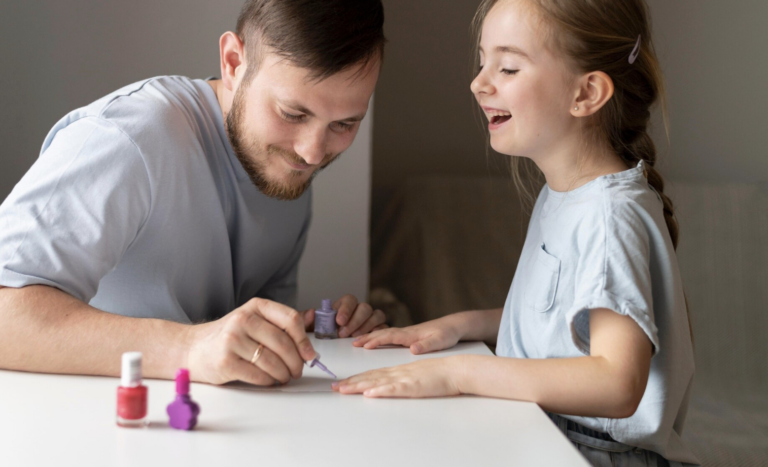
Walk down any beauty aisle and you’ll see brands pushing children’s formulas right next to products aimed at everyone else. Not the same thing — not even close. The gap runs far deeper than cute packaging or pastel bottles. It cuts through ingredient chemistry, toxicity testing, and how a product actually behaves on small, fidgety fingers. Kids’ skin and nails are genuinely more delicate than adult tissue. That alone demands a fundamentally different product.
Ingredient Composition and Chemical Formulation
This is where the two categories actually split. Regular nail polish leans on volatile organic compounds — toluene, dibutyl phthalate, formaldehyde. These chemicals deliver the glossy finish and stubborn wear adults expect, but developing bodies absorb and process them differently. Kids’ formulas cut those compounds out. Or slash them to the floor. Safer substitutes go in their place, still producing color and shine — just without the same chemical load. A product labeled for children isn’t a watered-down adult formula. Manufacturers rebuild it from scratch, specifically targeting the window when young systems are most vulnerable to chemical exposure.
Safety Considerations and Toxicity Testing
Standard cosmetics get benchmarked against adult thresholds. Children aren’t small adults. Their detox systems are immature, they touch their faces constantly, and fingers end up in mouths without a second thought. That’s a completely different risk profile. Parents trying to keep ordinary activities like at-home manicures reasonably low-risk reach for non-toxic kids nail polish because the testing behind it actually accounts for accidental ingestion and prolonged skin contact. Children’s formula manufacturers often run extra studies checking irritation against delicate skin and mucous membranes — work adult product lines simply don’t require. Transparency about those protocols means something. It signals real commitment, not just a marketing badge.
Application, Wear Time, and Removal Process
Performance diverges too. Regular polish dries slowly and usually demands acetone-based remover — harsh stuff, especially with repeated use on young skin. Kids’ formulas dry faster. Less fidgeting, fewer smudges, fewer meltdowns. Removal relies on gentler solvents or water-based systems, which cuts irritation during cleanup. The tradeoff? Durability takes a hit. Kids’ polish chips sooner than adult versions. But that’s actually useful — shorter wear means less time for any residual compounds to sit directly against skin, which trims cumulative exposure over weeks and months.
Packaging and Age-Appropriate Design
The bottle matters more than most people realize. Standard polish comes in full-sized containers with applicators calibrated for adult hands and coordination. Kids’ bottles run smaller — easier to grip, less likely to tip, less glass to shatter when they do. Brush applicators tend to be wider or shorter, compensating for underdeveloped fine motor control. Safety caps resist accidental opening better. And visually, children’s products lean hard into bright colors and playful imagery, while adult lines chase finishes and palettes built around entirely different aesthetic priorities.
Label Information and Transparency
Pull two bottles off a shelf. Compare the labels side by side. Standard polish lists ingredients and flags ventilation warnings — written for adults, in adult language. Children’s polish goes further. Age recommendations. Parental supervision notes. Explicit safety callouts. Many carry certifications from regulatory bodies or statements about chemical-free status. Reading those labels carefully isn’t optional. It’s how you confirm whether a product actually fits your situation. A manufacturer willing to be that specific is usually one confident enough in their safety record to show it openly.
Conclusion
The divide between standard nail polish and kid-specific formulas isn’t surface-level. These products split at the level of chemistry, safety protocols, real-world performance, physical packaging, and labeling standards. Children’s nail polish is a deliberate reformulation — gentleness and safety first, durability second. That tradeoff makes sense when the user is still developing. Picking a formula built for a child’s age group isn’t overthinking it; it’s a straightforward move to reduce unnecessary chemical exposure during years that genuinely matter. Understanding why these categories exist makes the choice obvious.
