
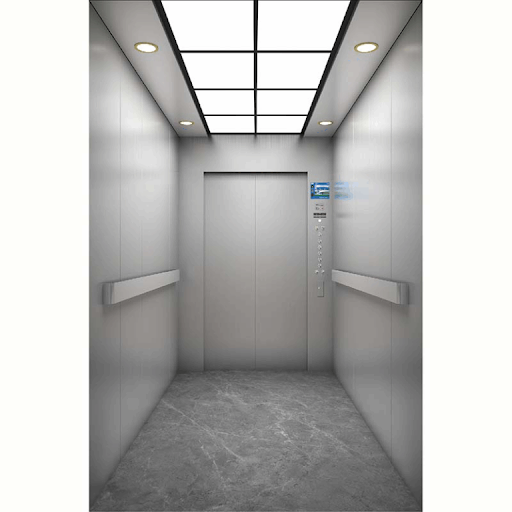
Bed Elevator in Hospital Not Only Serves as Vertical Transportation
In fact, the bed elevator is an integral part of the healthcare routine that allows moving patients, medical personnel, hospital beds, and other equipment up and down. The process may include transporting a patient from the emergency department to the operating room or moving diagnostic equipment. In this way, hospital elevators help to maintain workflow, patient comfort, and security at the same time.
Contemporary healthcare facility needs a quality elevator that is durable, accessible, safe, and reliable. Correct choice of the product will help to ensure greater efficiency.
What Is a Bed Elevator in a Hospital?
Bed Elevators in hospitals may also be referred to as stretcher elevators, patient elevators, or medical elevators, are designed to carry patients who are lying down on stretchers or beds accompanied by the attending staff along with their equipment. As compared to passenger elevators, these special purpose elevators have more spacious cabins and doors, smooth acceleration, and safety features.
The characteristics of an ideal hospital lift include:
- Lifting hospital beds and stretchers
- Wheelchairs and mobility aids
- Medical equipment transportation
- Staff movement
- Transportation of patients having restricted mobility
These elevators are made to serve 24 hours per day.
Key Features of a Hospital Bed Elevator
A quality hospital elevator combines engineering precision with patient-focused design. Important features include:
Spacious Cabin Design
Hospitals have larger size elevator cabins when compared to normal passenger elevators because they need enough space to house patients and all the associated equipment during transportation.
Wide Automatic Doors
Wide doors make it easier to move stretchers, hospital beds, and wheelchairs and minimize the likelihood of injury in the process of transferring patients.
Smooth and Stable Elevator Ride
Patients who recover from surgery or are under critical care need smooth acceleration and deceleration of the elevator without much vibration.
Higher Cargo Capacity
Hospitals require an elevator with high cargo capacity due to the combined weight of a bed, hospital personnel, and emergency equipment.
Emergency Safety Features
Hospital elevators with high reliability consist of several safety mechanisms, including but not limited to:
- Emergency power operation
- Automatic rescue device
- Emergency communication system
- Door protection
- Lighting for emergencies
- Operation in case of fire emergencies
Hygienic Interior Materials
Cleanable interior materials are crucial for healthcare facilities. Examples of hygienic interior materials for elevator include stainless steel and antimicrobial finish when needed.
Why Bed Elevators Are Essential in Modern Hospitals
Time is crucial in the medical setting. An efficient hospital elevator system ensures that the movement of people, medical personnel, and medical equipment is safe and smooth.
Improved Patient Experience
The ease of transport means that patients with injuries, post-surgical problems, and physical limitations experience minimal discomfort. Less vibration and reliable operation of the elevator result in comfortable travel.
Effective Hospital Operations
Departments like the emergency department, radiology, operating rooms, intensive care units, and wards need constant vertical transport. An efficient elevator decreases wait times and increases department coordination.
Increased Accessibility
Transportation in hospitals must be accessible to everybody, from wheelchair-bound patients to seniors and patients with disabilities. Healthcare elevator design allows for easy transportation for everyone.
Medical Equipment Transport Safety
Medical devices, such as imaging machines, respirators, infusion systems, and patient monitoring equipment, frequently need transport. The space and reliability of the elevator allow the transport of equipment easily.
Fewer Operational Obstacles
Staff does not waste time in the waiting for elevators, which saves operational time and makes time available for the treatment of patients.
How to Choose the Right Hospital Bed Elevator
Hospital elevator manufacturing company selection is more than comparing the elevator specifications. The decision-maker has to consider the elevator performance in service.
Take into account the following criteria:
Loading Capacity
Calculate the total weight of beds, passengers, staff, and equipment in order to be sure that the elevator will work under the load conditions.
Suitable Cabin Size
There should be enough space in the cabin for convenient movement, but there should not be excess free space which may lead to unnecessary congestion.
Analysis of Traffic
Different traffic intensity occurs at different times in hospitals. This criterion will help you understand the number of elevators you need and their speed.
Compliance with Safety Standards
Select the elevators which correspond to the local building regulations and elevator safety standards. Such compliance is useful for safe operation and simplification of the project implementation.
Energy Efficiency
The elevators nowadays usually have the ability to save energy through regenerative drives and LED lights without worsening the performance.
Maintenance Assistance
Inspection, maintenance, and technical assistance are very important for keeping the reliability of the elevators. You should choose the manufacturer who provides good after-sales service.
Why Quality and Safety Matter
The lift that is utilized in the hospital functions under some of the toughest conditions in the hospital. Any malfunction could cause disruptions in the delivery of service and delay treatment.
Reliability is a crucial component of an excellent system. This is achieved through the use of durable components, sophisticated control systems, and precise engineering.
Also, maintenance of the system should not be underestimated. Inspections and testing ensure that any wear is detected in time and that the emergency systems work properly.
Comfort is yet another often-neglected characteristic. Any improvement in leveling, doors functioning, and vibration control can facilitate patients’ transportation greatly.
Last but not least, expansion potential should be taken into account when making a choice. It is quite common that hospitals expand in the course of their functioning.
Conclusion
The purchase of a bed elevator in hospitals is a key investment, which will be beneficial for the proper patient care, efficiency of operations, and healthcare safety. A properly chosen hospital lift will help to improve the transportation of stretchers and hospital beds, as well as facilitate easy mobility of patients and healthcare workers.
Choosing a hospital lift one should pay attention to the cabin size, lifting capacity, quality of ride, safety system, hygiene-friendly materials used, availability of maintenance, and other standards, which can ensure a high quality of patient transportation in the future years.
FAQs
What is a bed elevator in a hospital?
The bed elevator is a hospital elevator that carries patients on beds and stretchers, along with healthcare providers and equipment, from one floor to another.
What distinguishes the passenger elevator from the hospital bed elevator?
Hospital bed elevators have increased dimensions of the cabin, width of doors, load capacity, comfort level, and safety features.
What safety features are required in a hospital elevator?
These comprise emergency power supply, automatic rescue, door sensors, communication during emergencies, lighting, and operation during the fire emergency.
What is the reason for the larger size of hospital elevators compared to regular elevators?
The larger size makes it easier to maneuver hospital beds, stretchers, wheelchairs, medical equipment, and people within the elevators.
How often should hospital elevators be maintained?
The elevators used in hospitals need preventive maintenance on a routine basis in accordance with the advice of the manufacturer and the local regulations in order to function safely and efficiently.
Is it possible to transport medical equipment through hospital elevators?
Yes, hospital elevators can safely carry medical equipment like X-ray machines and other equipment along with people.
