
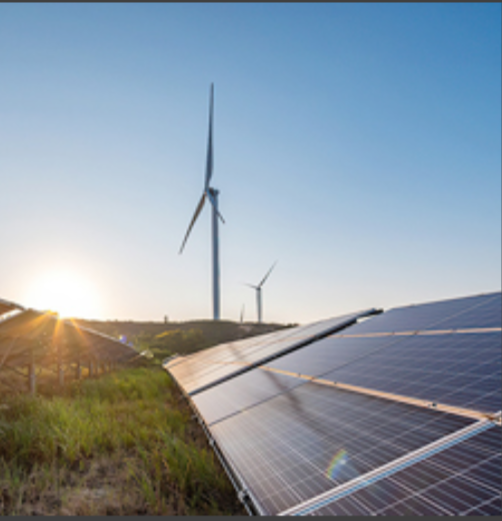
Selecting the appropriate PV panel supplier is critical for every solar installation project because the panels will be subjected to various conditions from the sun, heat, wind, rain, and many more elements for several years to come.
It is therefore wise for the buyer to consider other factors besides just the panel’s wattage or cost.
Manufacturing quality, cell technology, reliability, product consistency, and long-term support can all affect the performance of a solar installation.
A reliable manufacturer should also have the technical capability to meet the needs of different projects. It becomes even more vital when we consider the commercial and utility-scale solar power systems.
What Does a PV Module Manufacturer Do?
PV module manufacturers make the solar panels that will be used for the conversion of sun’s energy into electricity.
Materials, cell design, glass, encapsulation, backsheets or other structural components, junction boxes, and manufacturing controls all influence the finished module.
The manufacturer also determines how these components are integrated. Consistent production is important because large solar projects may require thousands of modules with similar electrical and physical characteristics.
Gokin Solar operates across several parts of the photovoltaic value chain. Its business includes monocrystalline silicon wafer production, PV module manufacturing, and green energy solutions.
Why Cell Technology Matters
Solar cell technology has changed considerably over the past few years. Modern modules can offer higher efficiency and improved energy generation compared with older designs.
N-type technologies are now widely used in high-efficiency modules. TOPCon is one example. Back-contact technologies are another approach that can improve module design by changing how electrical contacts are arranged.
Gokin Solar’s product portfolio includes different module technologies, including its GOKIN BC and FLAMINGO series. The right technology depends on the project rather than simply choosing the newest option.
For buyers, it is useful to understand the technology behind a module instead of comparing products only by their advertised power rating.
Efficiency Is Only One Part of Performance
Module efficiency indicates how effectively a panel converts available sunlight into electricity.
Higher efficiency can be valuable when installation space is limited. There is more electrical power that can possibly be produced using the same space.
But efficiency must not be taken alone in consideration.
Factors like temperature coefficient, degradation, low irradiance behavior, and installation conditions might influence energy production too.
A module with slightly different efficiency may perform well in a particular location because of its overall characteristics.
Project designers should therefore consider the complete technical datasheet before selecting a product.
Bifacial Modules Can Offer More Flexibility
Bifacial modules can generate electricity from sunlight reaching both the front and rear sides of the module.
This can be useful for installations where reflected light can reach the rear surface. However, the actual additional generation depends on the project design.
Ground reflectivity, mounting height, row spacing, shading, and the surrounding surface can all influence bifacial performance.
For this reason, bifacial modules should be evaluated according to the installation environment. A higher theoretical gain does not automatically translate into the same result at every site.
Manufacturing Quality Deserves Attention
A solar module may operate outdoors for decades. Manufacturing consistency therefore matters.
But aside from cell quality, there are other factors to consider regarding reliability, including other materials and assembly processes.
Quality control in production can aid in discovering any problems in production before shipping the products out of the factory.
According to Gokin Solar, material selection, reliability testing, automation, and quality control are some of the factors involved in their manufacturing process.
In the buyer’s perspective, such kind of information is beneficial.
Consider the Project Environment
Solar modules operate under different conditions around the world.
A project in a hot region may experience high module temperatures for extended periods. Areas with salt exposure may occur due to coastal environments.
Other regions with high winds, rainfall, snowfall, or dust would have varying requirements.
In such cases, the chosen module must meet the conditions of the environment.
Consumers should check the specifications from the producer regarding operating temperature, mechanical load, degradation, etc.
Installation is another important aspect.
Even a well-designed module needs appropriate installation to perform reliably.
Look Beyond the Purchase Price
A low initial price can appear attractive, especially when purchasing large quantities. But the cheapest module is not necessarily the most economical choice over the project’s lifetime.
A better comparison considers the total value of the module.
This can include:
- Power output
- Efficiency
- Degradation
- Temperature performance
- Reliability
- Product consistency
- Warranty terms
- Availability
- Technical support
- Long-term supply capability
For large projects, even small differences in module performance can become significant when multiplied across thousands of panels.
Production Capacity and Supply Matter
Large solar projects require consistent product supply.
A project developer may need thousands of modules within a specific construction schedule. Delays can affect installation work and increase project costs.
This makes production capacity and supply capability important when evaluating a PV module manufacturer.
Gokin Solar has developed manufacturing capabilities covering wafers and PV modules and operates multiple production bases.The larger photovoltaic chain of the product could assist in different levels of production of the product.
It would be wise for buyers to check the availability of the product and other details with the producer.
Technical Support Is Also Important
The choice of solar modules doesn’t end once you buy the product.
Installation companies or developers might require technical specifications, instructions for installation, electrical characteristics, warranty documents, and any other relevant data.
The availability of clear technical specifications will simplify the design and installation process. Technical specifications can also enable engineers to figure out if a module is compatible with the inverter, mountings, and electrical system.
Technical requirements become especially significant for big projects.
How to Evaluate a PV Module Manufacturer
An assessment may start with the list of products of the manufacturer and its manufacturing abilities.
Then one should take a look at the specifications of the modules that fit the requirements. It would be useful to pay attention to such characteristics as efficiency, power generation, temperature coefficient, degradation, mechanical properties, and necessary certification.
Furthermore, the quality control measures used by the manufacturer and its production capacities should be considered.
At last, it is important to assess the level of technical and commercial assistance provided.
Final Thoughts
Choosing a PV module manufacturer entails much more than just finding a solar panel with a high wattage rating. It involves considerations related to the cell technology, quality of manufacture, reliability, environmental appropriateness, efficiency, and capacity of supply.
The choice of a module would depend upon such factors as the site, design, needs of energy, space, and financial means of the project.
Gokin Solar provides its customers with a range of products in the field of photovoltaics from monocrystalline silicon wafer to solar modules of various module technology.
Such comparison helps the buyer to make an informed decision.
