
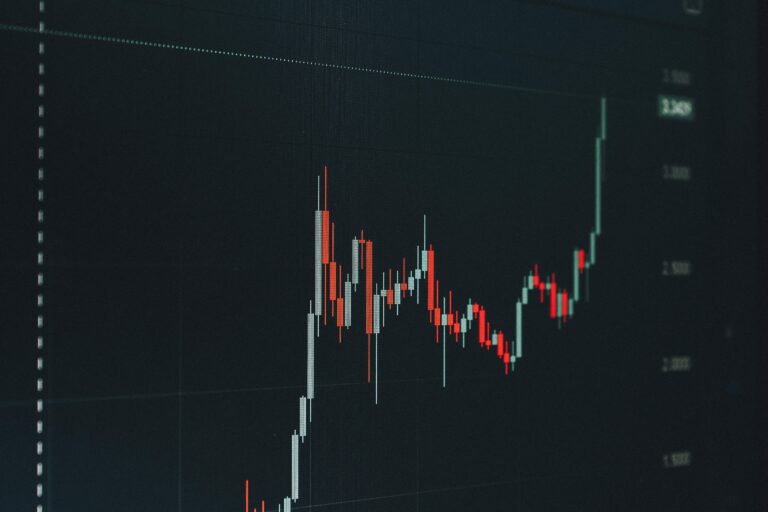
Prediction markets are attracting mainstream attention from investors, sports fans, media outlets and everyday users curious about forecasting real-world events. The concept itself is simple. Users buy and sell contracts tied to the outcome of future events, ranging from elections and economic decisions to entertainment awards and sports results. Prices move based on public sentiment and changing information, creating markets that reflect what participants believe is most likely to happen.
A shift driven by accessibility
One reason prediction markets are becoming more popular is accessibility. In the past, these platforms often felt overly technical or limited to finance-focused audiences. Modern platforms have changed that approach significantly.
Today’s prediction market interfaces are far more user-friendly, especially on mobile devices. Users can follow live market movements, track trends in real time and participate without needing deep financial knowledge. The experience feels closer to interactive digital entertainment than traditional investing.
Platforms such as Polymarket and Kalshi have also benefited from increased media attention. During major political events, economic announcements and sporting moments, screenshots from prediction markets frequently circulate on social media platforms, exposing millions of users to the concept. Online trends often accelerate once they become part of wider internet conversations rather than remaining limited to industry insiders.
The appeal of real-time forecasting
Prediction markets tap into something people already enjoy: making predictions. Sports fans debate results constantly. Political followers speculate on elections months in advance. Entertainment audiences predict award winners, streaming successes and celebrity news outcomes every day online. Prediction markets transform those conversations into interactive systems where public opinion directly affects pricing and probabilities. Several factors are helping drive engagement:
- Real-time updates create a sense of immediacy
- Users can react instantly to breaking news
- Markets cover a wide range of topics beyond finance
- Participation feels more interactive than passive news consumption
That last point is especially important. Digital audiences increasingly prefer experiences where they can engage directly instead of simply reading headlines or watching updates unfold.
The sports connection
Sports have become one of the biggest areas of interest surrounding prediction markets. As online sports betting expanded across multiple regions, audiences became more comfortable with digital wagering systems, live odds and event-based forecasting. Prediction markets entered that environment at the perfect time.
Some users see prediction contracts as an alternative way to engage with sports events, while others view them as informational tools that reflect crowd sentiment surrounding games, tournaments or league developments.
This overlap has naturally drawn attention from the wider gaming industry. Operators and analysts are closely watching how prediction-based platforms evolve and whether they appeal to different demographics than traditional sportsbooks.
The discussion has also expanded into regulatory territory. Questions surrounding classification, compliance and market structure are becoming increasingly important as these platforms continue to grow. That conversation is likely to remain central to the industry over the next few years. Readers can learn more about this topic at Yogonet.
Social media helped accelerate growth
Another major reason prediction markets are entering mainstream culture is social media exposure. Large online communities now discuss prediction odds in the same way they discuss stock movement, sports lines or trending news stories. Viral posts showing dramatic market swings often generate massive engagement, especially during elections or high-profile public events.
This creates a feedback loop:
- Prediction markets generate headlines
- Social media amplifies visibility
- New users join platforms
- Market activity increases further
That cycle has helped transform prediction markets from a niche concept into something much more culturally visible. Younger audiences are also more comfortable experimenting with digital-first platforms than previous generations. Many users already participate in fantasy sports, crypto platforms, gaming ecosystems or trading apps, so prediction markets feel like a natural extension of existing online behavior.
Regulation remains a major factor
Despite growing popularity, prediction markets still face regulatory uncertainty in many jurisdictions. Some policymakers view them primarily as financial instruments, while others believe they resemble forms of gambling or event wagering. These differences carry many implications for licensing, compliance and platform operations.
The debate has become more noticeable as the industry gets bigger. High-profile political markets and sports-related contracts have increased scrutiny from regulators, especially in regions where online betting laws are already evolving rapidly.
For operators, regulation will likely determine how broadly these platforms can grow in the coming years. For users, it may shape which type of contracts become widely available and how platforms structure participation.
At the same time, increased regulation could also bring greater legitimacy. Many mainstream financial and technology sectors experienced similar transitions during periods of rapid digital growth.
A change in online behavior
The rise of prediction markets also reflects a larger shift in how people engage with information online. Modern internet users increasingly want participation, interactivity and real-time engagement. Passive browsing has gradually given way to experiences built around discussion, reaction and community involvement.
Prediction markets fit naturally into that environment because they combine:
- Forecasting
- Competition
- Entertainment
- Public sentiment
- Live information flow
Whether the sector continues growing at its current pace remains to be seen, but one thing is clear: prediction markets are no longer operating quietly in the background of internet culture.
