
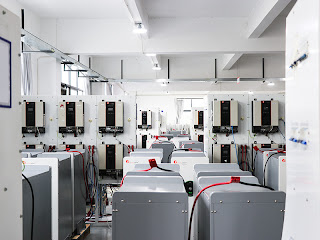
When people in the U.S. talk about going solar these days, the conversation rarely stops at panels. It almost always shifts toward solar storage solutions, and for good reason. Without storage, you’re essentially tied to sunlight hours and grid reliance. With it, you start shaping how and when you actually use your own energy.
I’ve seen this shift firsthand across residential installs and small commercial projects. The expectation is no longer just to offset my bill, but to make my energy predictable. And storage is what makes that possible in a practical sense, not just in theory.
The interesting part is how many homeowners still underestimate how much strategy goes into getting real savings out of these systems.
Why energy savings depend on how storage is used
Solar storage is not only about keeping the surplus power, but also about using it when it makes the most sense in terms of costs. In zones that use time-of-use electricity pricing, a well-managed storage system can cut down energy expenses quite a bit by pushing electricity during the highest rate windows. Even if someone buys top-shelf equipment, the financial payoff can end up smaller if the setup isn’t tuned correctly to maximize savings and improve usage.
From a practical standpoint, the biggest savings usually come from:
- Shifting evening household consumption to stored solar energy
- Reducing peak-hour grid draw
- Maintaining backup power during outages without oversizing capacity
It sounds simple, but the configuration behind it matters more than most people expect.
Designing storage around real household behavior
One of the more overlooked aspects of solar storage design is that every home behaves differently. A system installed in a Texas household running heavy air conditioning will operate very differently from a smaller, energy-efficient home in Oregon.
Before installation even begins, experienced installers tend to look at actual usage patterns rather than just utility bills. Those bills don’t always tell the full story.
For example, two homes with similar monthly consumption can have completely different peak load profiles. That difference directly affects how solar storage solutions should be sized and configured.
In real-world usage, oversizing is just as common a mistake as undersizing. Oversized systems don’t necessarily increase savings; they often just increase upfront cost without improving daily efficiency.
How storage integrates with solar systems
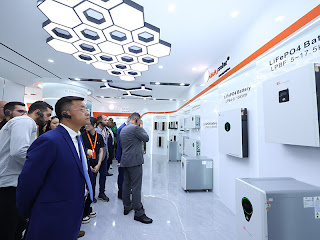
The contemporary solar storage technology utilizes AC-coupled and DC-coupled methods, each having its own specific uses. AC-coupled is mostly used for adding storage to already existing solar systems, whereas DC-coupled technology offers higher efficiencies when applied to newly established systems. These choices affect both energy efficiency and battery performance.
A hybrid inverter usually becomes the control hub here, managing:
- Charging from solar production
- Discharging during peak consumption hours
- Grid interaction when batteries are depleted or full
What’s often underestimated is how much behavior depends on inverter settings. A small adjustment in discharge thresholds can change monthly savings more than an additional panel in some cases.
Where real savings are actually generated
It’s easy to assume savings come from “using solar instead of grid power,” but the real financial benefit is more specific.
Savings usually stack up in three areas:
- Peak shaving during high-rate electricity periods
- Reducing demand charges (for larger homes or small commercial users)
- Avoiding grid consumption during evening peaks
In states like California or New York, these timing differences matter a lot more than total production numbers. In contrast, regions with flat-rate electricity see more modest financial gains, though backup resilience still adds value.
From experience, homeowners who actively adjust their usage patterns alongside their storage system tend to see noticeably better results than those who treat it as a passive installation.
The reality of maintenance and performance tuning
One thing that doesn’t get discussed enough in marketing material is that solar storage solutions aren’t set-and-forget systems.
Stable, of course, they do require fine-tuning occasionally. This is because of firmware upgrades, fluctuating demand seasonally, and the age of the batteries involved.
What many installers do after commissioning is revisit system behavior after a few months. Not because something is wrong, but because real usage data starts telling a more accurate story than the initial design assumptions.
Small adjustments might include:
- Changing backup reserve levels for outages
- Refining charge/discharge schedules
- Updating inverter firmware for efficiency improvements
Usually, you end up with better efficiency and savings later on; however, there are no hardware changes, like none at all, needed.
Balancing cost, efficiency, and expectations
One of the more honest conversations happening in the industry right now is around expectations. Solar storage is valuable, but it’s not magic. The financial payoff depends heavily on electricity pricing, system design, and how closely the system matches real consumption behavior.
In some homes, the return is fast and obvious. In others, it’s slower but still meaningful when viewed through resilience and energy independence rather than just monthly bill reduction.
The key is to build with realism, not just some sunny optimism. You know, systems that are grounded in real usage patterns end up acting more consistently, day after day. It’s kind of less about wishful thinking and more about what people actually do in practice.
Final Thoughts
At the end of the day, solar storage solutions are kinda less about hardware and more about strategy, I mean, the storage side basically decides what happens after the panels do their thing. Panels generate the energy, but storage determines how well that energy gets used, not just stored.
For homeowners and decision-makers in the U.S., the most successful installations I’ve seen always seem to have one thing in common. They were designed around behavior first, not the equipment specs or whatever slogan the brochure is pushing.
If you’re thinking about storage, I’d spend as much time getting to know your consumption profile as you would comparing different battery brands. That kind of balance usually ends up being the difference between a system that simply works and one that actually saves in a noticeable, long-term way.
