
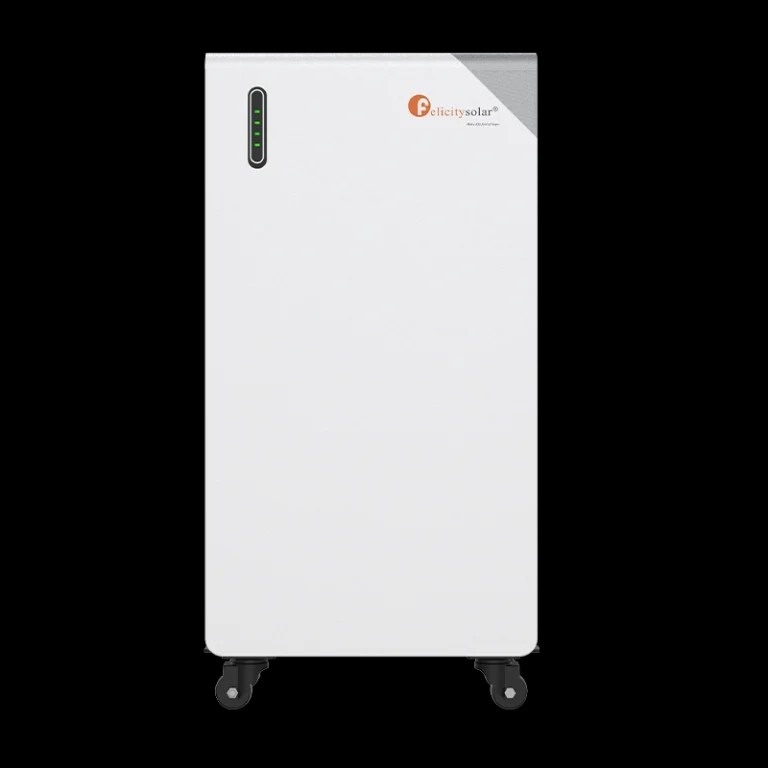
The cost rise of electricity and the need for energy self-sufficiency have seen the rise of the popularity of Lithium Battery Storage System for residential and commercial buildings in the US. The storage of extra energy, which can be produced by solar power systems, is possible using this system.
It may be expensive at first glance, but ultimately the decision to invest will depend on how much you consume, what rates your utilities offer, and your backup power requirements. Understanding the system’s pros, cons, and pricing can help you make the right decision.
What Is a Lithium Battery Storage System?
A lithium battery storage system is a type of energy storage that stores electrical energy for future use. While most household lithium battery storage systems operate with solar panels, they can also be charged directly from the grid at off-peak hours.
Unlike conventional lead-acid batteries, lithium-ion batteries have many benefits such as:
More efficient use of energy
Fast charging and discharging
Increased lifespan
Low maintenance
Compact size
This is why lithium-ion technology has been favored in energy storage in recent times.
How Do Lithium Battery Energy Storage Systems Work?
It is a simple concept as follows:
- Energy is produced either by solar panels or the grid.
- Surplus energy will be used to charge the batteries.
- Batteries store energy which will be used when required.
- When there is peak pricing time, at night, or power outage, the stored energy will operate your home.
- Advanced systems also include smart management software that determines when charging or discharging the battery for savings.
What Does a Lithium Battery Storage System Cost?
The price varies based on battery capacity, installation complexity, and equipment quality.
Typical residential costs in the U.S. include:
| System Size | Estimated Installed Cost |
| 5–8 kWh | $6,000–$9,000 |
| 10–15 kWh | $10,000–$16,000 |
| 15–20+ kWh | $16,000–$25,000+ |
Several factors influence pricing:
- Battery capacity
- Brand and warranty
- Installation labor
- Electrical upgrades
- Inverter compatibility
- Local permits and inspection fees
Federal tax credits and state incentives can significantly reduce the total investment for eligible homeowners.
Benefits of a Lithium Battery Storage System
Lower Electricity Bills
The first major benefit is that energy cost is reduced. When the energy company offers a time-of-use plan, stored electricity will take over the expensive grid electricity.
This way, you can make the most of the solar energy while keeping energy bills down.
Reliable Backup Power
Power outages have become more common in many regions of the U.S. A lithium battery storage system provides dependable backup electricity for essential appliances such as:
- Refrigerators
- Medical equipment
- Internet routers
- Lighting
- Security systems
Unlike gas generators, batteries operate quietly and produce no direct emissions.
Better Use of Solar Energy
If there is no battery for storage, the excess solar production will be fed into the utility grid. With a battery, more electricity will be used by the homeowner than purchased from elsewhere.
Energy self-consumption and the utility’s dependency will be reduced.
Long Lifespan
Quality lithium batteries typically last 10 to 15 years or longer, depending on usage patterns. Many manufacturers also offer warranties covering 10 years or thousands of charging cycles.
Low Maintenance
Lithium batteries require very little routine maintenance. Unlike older battery technologies, they do not require water refills or frequent servicing.
Are There Any Drawbacks?
However, despite the numerous benefits, lithium batteries are not always a universal solution to each home’s energy problem.
The possible cons might consist of:
- More expensive purchase costs
- Dependence on local electricity rates for cost savings
- Gradual reduction of battery capacity over time
- Possible requirement of additional equipment in case of old electric installation
For those homeowners who consume little amount of electricity or have cheap utility bills, the return on investment might become more distant.
When Is the Investment Worth It?
A lithium battery storage system often provides the greatest value under certain conditions.
It may be worth the investment if you:
- Already own or plan to install solar panels
- Experience frequent power outages
- Live in an area with high electricity rates
- Have time-of-use utility pricing
- Want greater energy independence
For example, a homeowner in California with rooftop solar and high utility costs may recover the investment much faster than someone living in an area with lower electricity prices.
Factors to Consider Before Buying
Selecting the proper system entails more than considering cost comparisons.
Battery Capacity
This is measured in kilowatt-hours (kWh) and refers to the quantity of power that the battery can generate.
Smaller homes will require a capacity of 10 kWh, whereas bigger houses with high energy consumption levels might require 15-20 kWh or more.
Power Output
The amount of power the battery can provide at one time to run the connected devices is known as its power output.
Warranty
It should be considered on the basis of years of service and performance of the battery itself. The length of the warranty is directly proportional to the manufacturer’s confidence in its product.
Scalability
Systems that enable adding extra batteries as the requirement arises are available too.
Installer’s Experience
Professional installation is crucial for safety and efficiency. It can help you choose the battery that suits your requirements.
Comparing Lithium Batteries to Other Storage Options
| Feature | Lithium-Ion | Lead-Acid |
| Lifespan | 10–15 years | 3–7 years |
| Maintenance | Very low | Regular maintenance |
| Efficiency | High | Moderate |
| Charging Speed | Fast | Slower |
| Weight | Lightweight | Heavy |
| Upfront Cost | Higher | Lower |
Although lead-acid batteries cost less initially, lithium batteries often deliver better long-term value because of their efficiency, durability, and lower maintenance requirements.
Tips to Maximize Your Return on Investment
The worth of your battery system can be increased using some practical techniques that include:
- Designing the battery according to actual usage of energy.
- Connecting it to an appropriately sized solar panel system.
- Capitalizing on any possible tax credit or rebate programs.
- Opting for intelligent energy management systems.
- Planning regular inspections for your system.
- All these measures can help you reduce the payback period.
Frequently Asked Questions
How long will the storage system last?
Most lithium batteries have a lifespan of 10 to 15 years depending on how you charge them and how much you use them each day.
Does a lithium battery storage system provide enough electricity to run my house?
It will if the battery is big enough. Most people opt to power circuits that are important rather than the whole house due to runtime issues.
Is battery storage worthwhile without using solar panels?
Sometimes yes because some utilities have time of use pricing. Batteries combined with solar panels offer maximum savings.
Do lithium batteries require maintenance?
Very little. Most systems only need occasional inspections and software updates to maintain peak performance.
Are Lithium battery storage systems safe?
They consist of battery management systems that check temperature and voltage levels and the state of charge. If installed professionally, they are regarded as very safe and reliable.
Conclusion
A purchase of the Lithium Battery Storage System would be a wise step for people interested in saving on electricity bills, backup electricity supply, and managing energy better. Although it is more expensive than certain other systems, the investment will eventually show its benefits through reliability, efficiency, and reduced maintenance needs.
In case you have installed or are going to install solar panels, a lithium battery storage system will allow you to increase your independence from power grid suppliers and maximize the use of generated energy. Careful analysis of your needs, electricity rates, and available incentives will help you decide whether this system is suitable for you.
