
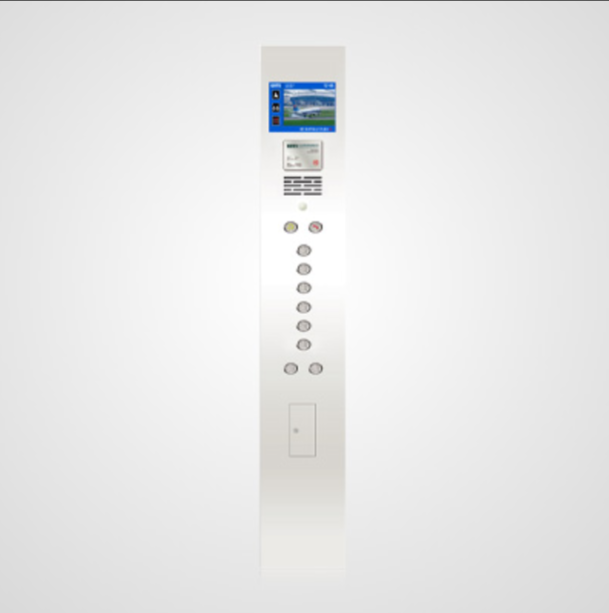
The elevator control panels are some of the many elements of the elevator that are essential in ensuring the smooth operation of the elevator.
Depending on how they are positioned and used, the control panels provide many possibilities regarding the operations of an elevator. This includes selecting floors, elevator calls, and the ability to open and close doors, among others.
When it comes to building owners, elevator companies, and equipment providers, choosing the right control panel becomes essential.
What Is an Elevator Control Panel?
An elevator control panel refers to the panel that is utilized in controlling or interfacing with an elevator system.
In the passenger cabin, the panel comprises floor selection keys along with other controls. For a landing panel, it will allow one to call the elevator at a specific floor.
It should be pointed out that the panels are part of the elevator systems, and their designs as well as operation vary from one type of elevator to another, among other factors.
How does an Elevator Control Panel Work?
It begins with the inputting of the signal and then its delivery to the elevator control system.
For instance, upon selection of a certain floor by the passenger, the control system will process the input and coordinate the movement of the elevator and its doors, among others.
It is worth noting that the control panel is not a standalone system but operates together with other parts of the elevator.
GOTS describes its elevator control box as the system’s “brain,” managing functions involving motors, doors, and safety signals. Its elevator component range also includes control boxes, landing operating panels, push buttons, and car operating panels.
Types of Elevator Control Panels
Car Operating Panel
A car operating panel is installed inside the elevator cabin.
It normally provides access to floor selection and other passenger controls. According to the type of the elevator, it may have such features as button for opening doors, for closing doors, alarms or any other buttons.
The control panel must be placed in a manner that allows the passenger to use it safely and conveniently.
Landing Operating Panel
A landing operating panel is installed outside the elevator at a floor.
Its primary function is to allow passengers to call the elevator. Depending on the system, it may include one or more buttons and visual indicators.
GOTS lists landing operating panels as one of its elevator component categories.
Integrated Control Panels
Some modern elevator designs use integrated panels that combine controls with the overall cabin design.
These panels can provide a cleaner appearance while incorporating buttons, indicators, and other operating functions into one assembly.
GOTS lists integrated car operating panels and stainless-steel car operating panels within its elevator components range.
Key Features to Consider
User-Friendly Operation
The control panel of an elevator should be easy to understand.
Control buttons, signs, markings, and other controls should be arranged in such a manner that passengers can recognize their intended purpose without any difficulty.
This is especially important for public buildings where the user is not familiar with the elevator.
Durable Construction
Control panels can be touched thousands of times throughout their service life.
The materials and construction should therefore be appropriate for the expected environment and usage level. Stainless steel and other durable finishes may be considered for commercial or high-traffic applications.
GOTS includes stainless-steel elevator operating panels among its available elevator components.
Clear Indicators
Visual indicators help passengers understand the elevator’s current status.
Depending on the design, these may show selected floors, direction, or other information. Clear visibility is particularly useful in busy commercial buildings.
Suitable Design
The panel is both a functional and visible part of the elevator cabin.
Its finish should complement the interior while remaining practical for regular use. Common design considerations include material, button arrangement, surface finish, lighting, and overall panel dimensions.
Why Is an Elevator Control Panel Important?
Passenger Interaction
The control panel is one of the main points where passengers interact with the elevator.
A clear interface makes it easier to select floors and use available functions.
System Integration
The panel needs to communicate correctly with the elevator’s control system.
Compatibility between the panel, controller, buttons, indicators, and other components is therefore important during installation or replacement.
Accessibility
Control placement and design can influence accessibility.
The appropriate height, button arrangement, visibility, and labeling should be considered according to the building’s requirements and applicable accessibility standards.
Long-Term Usability
Elevator panels are used repeatedly.
A well-designed panel should be suitable for the expected traffic level and operating environment. Regular inspection can help identify damaged buttons, worn surfaces, or other problems.
How to Choose the Right Elevator Control Panel
Check System Compatibility
Compatibility should be one of the first considerations.
The panel must work with the elevator’s controller and associated components. Check technical documentation, connection requirements, dimensions, and communication interfaces before selecting a replacement.
A visually similar panel may not be technically compatible with an existing elevator.
Consider the Elevator Type
Different elevator applications can have different panel requirements.
A passenger elevator in an office building may need a different interface from a residential lift, hospital elevator, or freight elevator.
GOTS states that its elevator accessories and components are used across passenger, freight, hospital, panoramic, and other elevator applications, depending on system requirements.
Evaluate the Installation Space
The available space should be measured before ordering a panel.
Consider the panel’s overall dimensions, mounting method, button arrangement, wiring, and connection points.
This is especially important when replacing a panel in an existing elevator cabin.
Consider Material and Finish
It is essential that the material selected matches the setting and the traffic flow.
High-traffic commercial elevators would do well with materials that can withstand a lot of handling and cleaning. Looks can also matter where elevators are used in hotels, office buildings, shopping centers, and other places.
Check Accessibility Standards
The control system should be designed with end-users in mind.
This includes factors such as button visibility, labeling, reachability, and other accessibility standards. It is wise to check any local regulations before settling on the design.
Elevator Control Panel versus Elevator Control Box
These two terms may seem quite similar.
An elevator control panel is generally an interface used by passengers or operators.
An elevator control box is part of the elevator’s control system and manages signals and operating functions. GOTS describes its control box as managing motors, doors, and safety signals.
In simple terms, the panel is where a user gives a command, while the control system processes that command and coordinates the elevator’s operation.
Maintenance and Replacement
Elevator control panels experience regular physical use.
Maintenance teams should check buttons, indicators, wiring, connections, and visible damage as part of appropriate elevator servicing procedures.
If a panel stops working correctly, replacement should be based on the original system’s specifications. The new component should be compatible with the controller and other elevator equipment.
Electrical and elevator maintenance should always be performed by qualified professionals.
Why Choose a Reliable Elevator Component Supplier?
A control panel is only one part of the complete elevator system. The supplier should therefore understand compatibility and the relationship between different elevator components.
GOTS Elevator provides elevator components and accessories, including control boxes, landing operating panels, push buttons, and car operating panels. The company states that its component solutions can be customized for different elevator requirements.
GOTS also describes technical support for installation, maintenance, troubleshooting, and repairs of its elevator accessories.
When requesting a replacement or customized panel, provide the elevator model, existing panel dimensions, control system information, and required functions. These details can help determine a suitable configuration.
Frequently Asked Questions
What is an elevator control panel?
An elevator control panel is an interface used to operate or interact with an elevator. It may be installed inside the cabin or at a landing and can provide functions such as floor selection, elevator calling, and door control.
What is the difference between a control panel and control box?
The control panel is generally the user interface, while the control box is part of the elevator’s operating control system. The control box processes signals and coordinates functions such as motors, doors, and safety systems.
Can an elevator control panel be replaced?
Yes, a control panel can be replaced when it is damaged, outdated, or being upgraded. The replacement must be compatible with the elevator’s controller, wiring, dimensions, and other relevant components.
What materials are used for elevator control panels?
Materials vary by design and application. Stainless steel is commonly used for durable elevator interfaces, particularly in commercial and high-traffic environments. Other finishes may be selected according to the elevator’s interior design.
How should an elevator control panel be maintained?
Maintenance should include appropriate inspection of buttons, indicators, connections, and visible damage. Any electrical or technical issue should be handled by qualified elevator professionals according to manufacturer instructions and applicable requirements.
Conclusion
Another crucial part of the user-elevator interface is the elevator control panel, from where information flows from one side to the other. A control panel’s design plays a significant role in user-friendliness, accessability, appearance and effectiveness.
Before you pick a control panel, check a few things. Make sure it fits the system. Think about the kind of elevator. Look at the space you have for it. Consider what it is made from. Also review how people can reach and use the controls. Finally, confirm it supports the right tasks.
