
Selection of appropriate floor coating materials is important for producing a strong, attractive, and easy-to-maintain floor. There are many factors that can affect the outcome besides the floor coating itself. These include primers, resins, pigments, flakes, binders, top coats, tools, and accessories.
Flooring can have various needs based on the surrounding environment. While a warehouse might require abrasion and impact resistance, a showroom might be more concerned about aesthetics. Knowledge of the materials that are available will assist in constructing a suitable flooring system.
What Are Floor Coating Supplies?
The floor coating supplies list consists of the tools and materials that are required for installing coated floors.
Depending on the project, supplies may include:
- Epoxy floor coatings
- Polyaspartic coatings
- Polyurethane coatings
- Waterproof coatings
- Primers
- Pigments
- Decorative flakes
- Resin binders
- Topcoats
- Application tools
- Flooring accessories
The combination of different products can be used for creating a proper flooring system. This means that the concrete floor can have a primer to enhance the process of adhesion, a base material for thickness, and a topcoat to achieve better performance.
Why Do Floor Coating Supplies Matter?
A high-quality floor coating supply can not compensate for unsuitable preparation materials or an incomplete flooring system.
The substrate itself must first be evaluated and prepared. The coating needs to be appropriate for the traffic, moisture, chemical, temperature, and aesthetic needs.
Using compatible materials from a reputable supplier may help in the purchasing process as well. Contractors can buy various parts of the project from one company.
Common Types of Floor Coating Supplies
Epoxy Floor Coatings
Epoxy continues to be widely used for industrial, commercial, and residential flooring.
Epoxy can form a tough surface that offers some level of resistance to chemicals and wear. Various decorative epoxy coatings are also available in metal, marble, flake, and sand colors.
Epoxy is suitable for use in warehouses, manufacturing facilities, garages, commercial premises, and any other surfaces requiring protection and attractiveness.
Polyaspartic Floor Coatings
Polyaspartic coatings are usually recommended when fast curing, durability, and outdoor use are critical requirements.
JINCHENG claims that its polyaspartic floor coatings cure fast and are durable enough for heavy traffic environments. Besides, the company produces polyaspartic waterproof coatings and topcoats.
They are useful for interior and exterior projects depending on the coating formulation.
Polyurethane Floor Coatings
Polyurethane Coatings have the characteristics of being flexible and resistant to abrasion.
The polyurethane coatings are best suited for those areas which experience mechanical movement and traffic. JINCHENG produces polyurethane resins, colored paints, and varnishes.
Waterproof Coatings
Waterproof coatings are used in areas that require moisture protection.
These can be used in basements, wet areas, roof areas, and other surfaces that are exposed to water.
Other Important Floor Coating Supplies
Primers
A primer can help improve adhesion between the substrate and subsequent coating layers.
For concrete floors, moisture can be an important consideration. JINCHENG offers moisture vapor barrier epoxy primers designed to help address moisture-related flooring requirements.
Primer selection should be based on the substrate and coating system rather than treated as a universal first step.
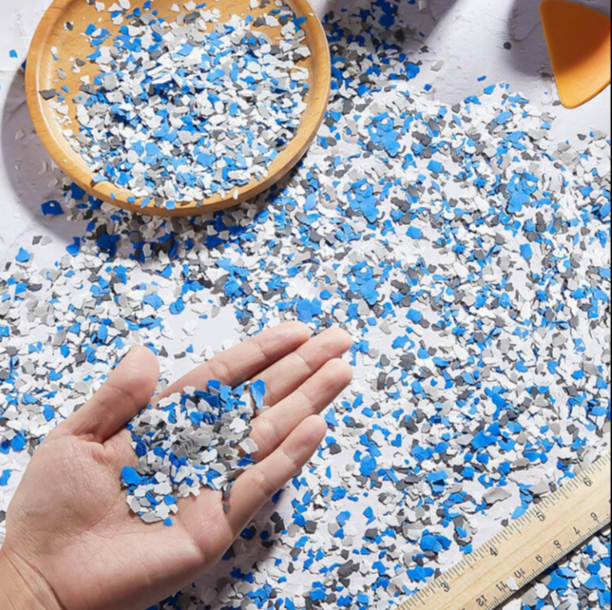
Decorative Flakes
Vinyl flakes can add color, texture, and visual variation to epoxy flooring.
They are commonly incorporated into decorative systems for garages, commercial spaces, and other areas where appearance and practical performance are both important. JINCHENG’s product range includes colored epoxy vinyl flakes.
Pigments
Pigments allow manufacturers and contractors to create different colors and decorative effects.
JINCHENG supplies pigment paste and pearl pigment products for applications where color customization is required.
Color selection should consider the intended environment, maintenance requirements, and desired appearance.
Resin Binders
Resin binders can be used with aggregates or other materials to create specialized flooring surfaces.
For example, JINCHENG offers epoxy resin gravel binders and UV-resistant resin binder solutions for particular flooring and decorative applications.
Application Tools
Professional installation also requires suitable tools.
Depending on the system, these may include rollers, squeegees, mixing equipment, gauges, and other application accessories. Using appropriate tools can help maintain more consistent coverage and finish.
JINCHENG provides floor coating construction tool kits alongside its coating products.
Where Are Floor Coating Supplies Used?
Industrial Facilities
Industrial floors may experience machinery, chemicals, heavy traffic, and abrasion.
Epoxy and polyurethane systems can be selected according to the specific operating conditions. The complete system should be designed around the expected mechanical and chemical exposure.
Warehouses and Distribution Centers
The warehouse floor will be subjected to continuous movement of personnel, pallets, carts, and material handling equipment.
Various properties like durability, impact resistance, cleanability, and moisture resistance may affect the choice of product.
Parking Garages
Parking facilities are subjected to vehicle wear, tire tracks, oil, water, and abrasion.
The application of an appropriate coating system not only protects the concrete but also improves its appearance.
Commercial Applications
Commercial facilities such as retail stores, office spaces, and showroom areas need both decorative appeal and durability.
Products like metallic epoxy, marble epoxy, flake system, and color coats offer various decorative solutions.
Healthcare and Food Facilities
These environments often require surfaces that are easy to clean and resistant to moisture and routine chemical exposure.
The coating system should be selected according to the facility’s hygiene, cleaning, and regulatory requirements.
How to Choose the Right Floor Coating Supplies
Consider the Substrate
Start by identifying the surface that will receive the coating.
Concrete condition, existing coatings, cracks, contamination, porosity, and moisture can all influence product selection.
Assess Traffic
This is because a residential room and a forklift storage warehouse will need different floors.
Look at the foot traffic, vehicles, equipment, impact, and abrasion when deciding on the coating to use.
Chemical Resistance
Ensure there are no oils, cleaning chemicals, solvents, or other industrial chemicals the floor will be exposed to.
The coating that works fine in commercial settings may need another formulation when dealing with harsh chemicals.
Consider Moisture
Moisture can affect the bonding and curing process in certain flooring applications.
In the case of concrete slabs that contain moisture, a suitable moisture management or vapor barrier system may need to be applied.
Selecting Finishes for the Environment
Finish is important, but performance is more important than the finish of the floor.
Decorative flake, pigment, metal, and aggregate finishes are some of the options available. The choice of the finish should be made after considering various environmental factors.
Surface Preparation Is Essential
Even high-quality floor coating materials can be rendered useless due to poor surface preparation.
The surface must be clean, stable, and right for the coating chosen. The presence of dust, oil, grease, loose concrete, and unsuitable coatings will impede adhesion.
Damaged surfaces need to be repaired before applying the coating. Surface profile creation by mechanical means may be required as well.
Moisture should be evaluated where there is a history of dampness. Active water intrusion needs to be addressed at its source rather than simply covered with a coating.
Why Work With a Complete Floor Coating Supplier?
Sourcing multiple components from one experienced manufacturer can simplify project planning.
JINCHENG’s product range includes epoxy paint, polyaspartic paint, polyurethane paint, and waterproof coating, as well as primers, pigments, flakes, binders, and tools. This allows customers to get different materials to create various types of floors.
The company also states that it supports customized colors, performance requirements, and application needs. Its OEM/ODM service includes customized formulations, packaging, labels, and specifications for flooring brands, distributors, and engineering companies.
What Should Buyers Look for in a Supplier?
Price is only one consideration when sourcing flooring materials.
Buyers should evaluate:
- Product range
- Material consistency
- Quality-control procedures
- Technical support
- Customization options
- Manufacturing capacity
- Packaging options
- Delivery capability
- Application guidance
- Compatibility between system components
Batch consistency is significant for contractors and distributors, as inconsistencies might impact the performance and the outcome.
Frequently Asked Questions
What are floor coating supplies?
Floor coating supplies comprise coatings and auxiliary materials required for floor preparation and finishing. These materials may include epoxy, polyaspartic, polyurethane, waterproof coatings, primers, pigments, flakes, binders, tools, and others.
Which coating is better for industrial floors?
No one coating material fits all industrial floors. Epoxy, polyurethane, and polyaspartic coatings may be applicable in various situations due to different traffic, chemicals, moisture, UV radiation, temperature, and other conditions of operation.
Are floor coating supplies always applied with a primer?
The primer is usually utilized in many systems to improve adhesion and to prepare the surface for further layers. The choice of primer depends on the state of the concrete, moisture content, and chosen coating system.
Are there any customized floor coating supplies?
Yes. In many cases, manufacturers can provide floor coating supplies according to specific requests in terms of color, formulation, performance, packaging, and labeling. The range of customization depends on the capability of the supplier.
Why are compatible coating components important?
The flooring system comprises several layers. It is important to choose compatible primers, base coats, aggregates, pigments, topcoats, and other materials to ensure good adhesion and performance.
Conclusion
The coating system for the floor should consist of the right materials. Epoxy, polyaspartic, polyurethane, waterproof coatings, primers, decorative paints, and other applicators have their own application areas.
It all comes down to which combination of products will suit the project needs and specifications. Partnering with an experienced manufacturer that offers a range of products will help you create a proper flooring system for your project.
