
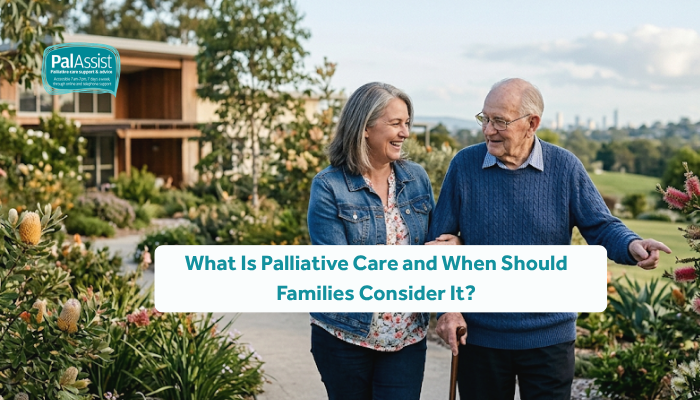
Palliative care is specialised support for people living with a serious, life-limiting illness, and it can begin long before the final stage of life. It focuses on comfort, quality of life, and practical support for both the patient and the people around them.
Most families don’t realise how early it can start, and that gap in understanding often delays the help they need. As a free, nurse-led service delivered by Cancer Council Queensland and funded by Queensland Health, https://www.palassist.org.au can provide that support.
We’ve spent years walking alongside families through some of the hardest moments of their lives. From that experience, we’ll share what palliative care includes, when to consider it, and how it differs from end-of-life care.
If your loved one has recently received a serious diagnosis, keep reading.
What Is Palliative Care, and What Does It Include?
From the moment of diagnosis, people with serious illnesses can receive palliative care to help manage their needs. A care team is made up of doctors, nurses, and allied health workers. They coordinate everything, including pain management and emotional well-being.
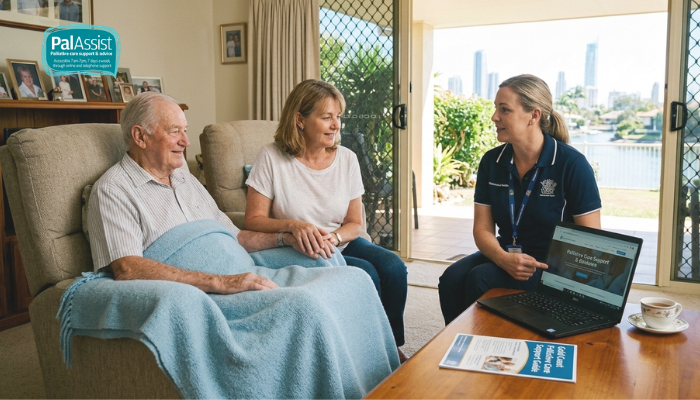
Here’s what palliative care services typically cover:
- Symptom Relief: Most people address physical comfort from the first day. The team manages pain, breathlessness, nausea, and fatigue alongside any ongoing medical treatment. This way, your loved one’s daily life stays as flexible as possible.
- Emotional and Psychological Support: A serious diagnosis affects every member of the family emotionally, practically, and financially. In this case, counselling is available to both the patient and the people around them. And it’s offered consistently throughout the illness rather than only at crisis points.
- Spiritual and Cultural Care: People carry their beliefs, cultural background, and personal values into this experience with them. Palliative care respects those differences and adapts the support around what holds meaning for your family member.
- Care Coordination: Many a time, keeping your GP, specialists, and community nurses on the same page takes effort. Your palliative care team handles that communication, so nothing falls through the gaps in your kin’s health care.
- Bereavement Support: Care continues beyond the time of death. Family members and friends receive bereavement support afterwards. This gives them space to grieve and find their footing again in the months that follow.
Good palliative care reaches into the physical, emotional, and spiritual corners of a person’s life. For many families, it becomes the steadiest source of support through one of the most demanding periods they’ll ever face.
You can see the growing demand in how palliative care‑related hospitalisations climbed to 107,500, a 46% increase over the past decade (and the numbers are from Australia alone).
When Should a Family Consider Palliative Care Services?
Palliative care is appropriate whenever quality of life is affected by a serious illness (there’s no single right moment). Take a closer look at three situations where you can start considering palliative care services.

Right After a Life-Limiting Illness Diagnosis
A diagnosis of cancer, heart failure, dementia, or another life-limiting condition is often the first point where palliative care becomes relevant. Many families don’t realise this, and this is often where the first conversation with a GP should happen.
Starting care early lets you address comfort issues before they become difficult to manage. It also gives your family time to think through care planning preferences. What’s more, the person can still be actively involved in recording their wishes while making these decisions.
When Symptoms Begin Affecting Daily Life
Pain, fatigue, breathlessness, or anxiety that spills into daily routines is a clear signal that more support is needed. A palliative care team carries out a thorough assessment and adjusts the plan as the illness progresses, so your loved one’s physical comfort stays the priority.
Not to mention, managing symptoms early reduces the likelihood of avoidable hospital admissions. And that means the person can spend more time at home and less time in a ward.
When Caregiving Feels Overwhelming
No family member should have to carry the full weight of caring for a loved one with a serious illness alone, and yet we see many do for far longer than they should. And this is where families often get stuck, caught between wanting to do everything themselves and not knowing where to find extra support.
The emotional and physical demands of caring for someone with a life-limiting illness build up gradually. Fortunately, this is something the palliative care team helps carry with you.
In fact, during our work alongside Queensland families, we’ve found that carers who ask for help early cope far better than those who wait.
Is Palliative Care Just for End of Life?
Palliative care and end-of-life care are related but serve separate purposes at different stages of a serious illness. Many families confuse the two, and that leads to delayed referrals and missed support opportunities.
The table below will provide a side-by-side look at how the two differ.
| Aspect | Palliative Care | End of Life Care |
| When it starts | At any stage, including diagnosis | Final weeks or months |
| Primary goal | Quality of life alongside treatment | Comfort and dignity only |
| Curative treatment | Continues alongside care | Stops; comfort-focused |
| Who provides it | GP, nurses, allied health team | Specialist palliative team |
| Family support | Throughout the whole illness | Includes bereavement care |
Palliative care helps people receive care and maintain quality of life for many months or even years before end-of-life care becomes the focus. It runs alongside active treatment in hospitals, aged care facilities, hospices, and home programs, while adapting as the illness progresses.
End-of-life care carries a different weight entirely. It’s primarily centred on dignity and wishes in the last months of life. Families we’ve supported have told us that understanding this difference earlier would’ve changed their approach to those first conversations with the doctor (and that realisation has become a turning point for many of them).
You Don’t Have to Figure This Out Alone
Palliative care is a door worth opening sooner rather than later, and your family doesn’t have to wait for a crisis to walk through it. These services reach into symptom relief, emotional support, care planning, and bereavement support, all at once. And the earlier you reach out, the more options your loved one has.
PalAssist offers free, nurse-led support for Queensland families facing these decisions. Call 1800 772 273 between 7 am and 7 pm, seven days a week, to speak with a registered nurse who understands what your family is going through.
You’re also welcome to explore other articles on palliative care, end-of-life care, and support services for carers and loved ones across our website.
