
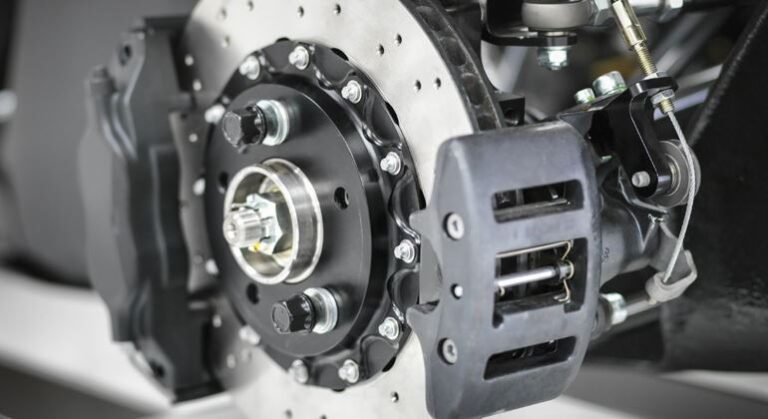
Brakes are one of the most important safety systems in any vehicle. When they are working properly, you may not think much about them. You press the pedal, the car slows down, and everything feels normal. However, when your brakes start making unusual noises, it is usually a sign that something needs attention.
A squeal, grind, scrape, click, or thumping sound should never be ignored. These noises can point to worn brake pads, damaged rotors, loose parts, dust build-up, or more serious mechanical problems. In many cases, early Brake Repairs can prevent further damage and help keep the vehicle safe to drive.
Brake Noises Are Often Early Warning Signs
Strange brake noises usually do not appear without reason. Your braking system includes several parts that work together, including brake pads, rotors, callipers, brake lines, fluid, and hardware. When one part starts wearing down or moving incorrectly, the system can produce noise.
A faint squeal may seem harmless at first, but it can be an early sign that the brake pads are wearing thin. A grinding noise may mean metal is rubbing against metal, which can damage the rotors. A clicking sound may suggest loose brake components or worn hardware.
The earlier the issue is checked, the easier it may be to fix. Ignoring the sound can allow the damage to spread from one part of the braking system to another.
Squealing Brakes Can Mean Worn Brake Pads
A high-pitched squealing sound is one of the most common brake noises. In many vehicles, brake pads are designed with wear indicators that create a squealing noise when the pads are getting low. This sound is a warning that the pads need to be inspected and possibly replaced.
Some squealing can also happen because of dust, moisture, or surface rust, especially after the car has been sitting overnight or during wet weather. However, if the noise continues every time you brake, it should not be dismissed.
Worn brake pads reduce braking performance and can damage other parts if they are not replaced in time. Booking Brake Repairs early can help avoid more expensive work later.
Grinding Sounds Can Be a Serious Problem
Grinding is one of the most concerning brake noises. It often means the brake pads are badly worn, and the metal backing plate is rubbing against the rotor. This can damage the rotor surface and reduce braking safety.
If grinding continues, the repair may become more expensive because the rotors may need machining or replacement. The car may also take longer to stop, especially in traffic or wet conditions.
Drivers should avoid continuing to drive for long periods if the brakes are grinding. A professional inspection is needed as soon as possible to prevent further damage and safety risks.
Clicking or Rattling Can Point to Loose Components
A clicking or rattling sound when braking may suggest that something in the brake assembly is loose, worn, or not sitting correctly. Brake pads, callipers, clips, shims, or hardware can all create noise if they move too much.
This type of sound may not always feel urgent, but it still needs attention. Loose brake parts can affect how evenly the brakes apply pressure. Over time, this can lead to uneven wear, vibration, reduced braking performance, or damage to nearby components.
A mechanic can check whether the brake hardware is secure and whether any parts need replacement.
Vibrations and Thumping Should Also Be Checked
Brake problems are not always heard as squeals or grinding. Sometimes, drivers feel vibration through the pedal or steering wheel when braking. This can happen when rotors are warped, unevenly worn, or affected by heat.
A thumping or pulsing feeling may also point to rotor issues, suspension wear, or uneven brake contact. These signs can affect control and comfort while driving, especially at higher speeds or during sudden braking.
If the car shakes or pulses when slowing down, the brakes should be inspected before the problem becomes worse. Professional Brake Repairs can identify whether the issue is with the pads, rotors, callipers, or another related part.
Ignoring Brake Noises Can Increase Repair Costs
Many drivers delay brake checks because the car still stops. However, waiting too long can make the repair more expensive. A simple brake pad replacement can turn into rotor damage if the pads wear down completely. A loose component can affect other parts if it keeps moving. A small vibration can become a larger braking issue if the rotor damage worsens.
Brake systems are connected. When one part fails, other parts often take extra strain. That is why strange noises should be treated as warning signs rather than minor annoyances.
Early inspection can help reduce repair costs and prevent unnecessary damage.
Brake Problems Can Affect Road Safety
The biggest reason to take brake noises seriously is safety. Brakes help control stopping distance, vehicle stability, and driver response in emergencies. If the braking system is worn or damaged, the vehicle may not stop as quickly as expected.
This can be dangerous in busy traffic, wet weather, school zones, highways, or sudden-stop situations. Even a small reduction in braking performance can make a difference when quick reaction is needed.
Regular brake checks help make sure the vehicle remains safe for daily driving. If the brakes sound different, feel different, or respond differently, it is better to have them checked quickly.
When Should You Book a Brake Inspection?
You should book an inspection if you hear squealing, grinding, scraping, clicking, rattling, or thumping when braking. You should also get the brakes checked if the pedal feels soft, the car pulls to one side, the steering wheel shakes, or the braking distance feels longer than usual.
Other warning signs include a burning smell after braking, brake warning lights, fluid leaks near the wheels, or uneven tyre and brake wear. These signs may point to problems that need professional attention.
A proper inspection can confirm whether the issue is minor or whether Brake Repairs are needed to keep the car safe.
Final Thoughts
Strange brake noises should never be ignored because they are often the first sign of wear or damage within the braking system. Squealing can point to worn pads, grinding can suggest serious rotor contact, and clicking or vibration can mean parts are loose or unevenly worn.
The safest approach is to have the brakes checked as soon as the noise appears. Early Brake Repairs can protect the vehicle, reduce future repair costs, and help make sure the car stops properly when you need it most.
