
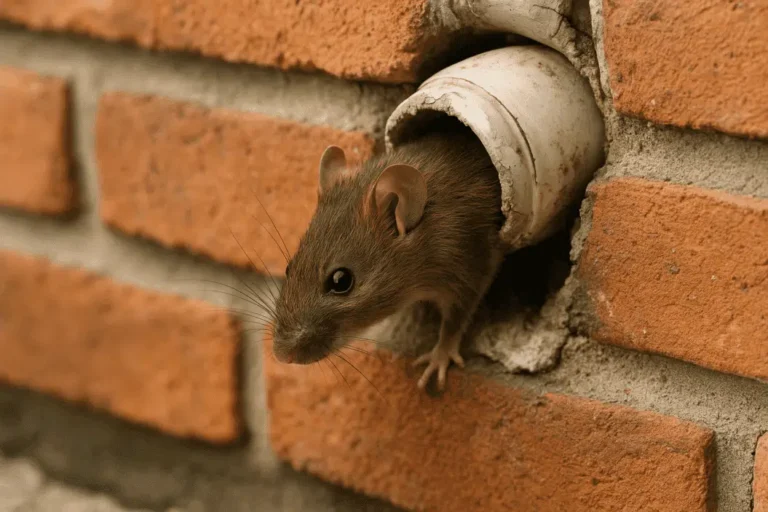
It often starts the same way. A homeowner notices scratching sounds above the ceiling a few weeks after a baiting treatment. The droppings disappeared for a while, and the roof space seemed quiet again, so the problem appeared solved. Then the noises return. In many cases, the issue is not failed baiting. It is a small roof opening that was never identified or sealed properly.
Mice are highly adaptable and can squeeze through openings as small as 6 to 7 millimetres. Tiny gaps around roofing materials, vents, flashing, and utility lines are often enough to let them back into the roof cavity. Once temperatures drop or food sources outside become limited, they return to sheltered roof spaces quickly.
Why Roof Openings Are Commonly Missed
Roof entry points are difficult to spot because they are rarely obvious from ground level. Small separations near soffits, cracked roof tiles, loose flashing, or gaps around old cable penetrations may look insignificant to homeowners, but can provide direct access for rodents.
Many properties also develop small structural shifts over time. Roofing materials expand and contract with weather changes, seals wear down, and gutters slowly pull away from fascia boards. These small defects create hidden access routes that mice repeatedly use.
Even newer homes are not immune. Construction gaps around vents, solar panel wiring, or air-conditioning penetrations can remain unnoticed for years until rodents begin nesting in the ceiling space.
How Mice Reach the Roof
Many people assume mice only enter from ground level, but they are excellent climbers. They commonly scale brick walls, pipes, downpipes, cables, and nearby vegetation to access the roofline. Overhanging tree branches and dense vines can act like bridges directly onto gutters or eaves.
Once on the roof, mice search for sheltered openings that lead into warm, quiet cavities. Roof vents with damaged mesh, gaps under eaves, loose soffits, and deteriorated seals around flashing are particularly common entry areas. This is why baiting alone rarely provides a long-term solution. If access remains open, new mice eventually replace the ones removed.
The Risks of Ignoring Small Roof Gaps
A recurring mouse problem is more than a nuisance. Roof spaces provide ideal nesting conditions, allowing infestations to expand quickly. Mice breed rapidly and often remain hidden until damage becomes noticeable.
One major concern is electrical damage. Mice constantly gnaw to control tooth growth, and roof cavities contain wiring, insulation, timber framing, and stored materials that are vulnerable to chewing. Damaged wiring may increase fire risks, especially in older homes.
Contamination is another issue. Droppings and urine can spread across insulation and ceiling surfaces, creating unpleasant odours and hygiene concerns. In severe cases, damaged insulation loses effectiveness and may require replacement. Persistent activity inside walls and ceilings can also indicate multiple access points rather than a single opening.
Why Baiting Without Sealing Often Fails
Baiting is designed to reduce active rodent populations, but it does not stop reinfestation. Many homeowners mistakenly assume silence after treatment means the entry problem is resolved. In reality, mice often return weeks later through the same structural gaps.
This is why effective mice control usually combines population reduction with exclusion work. Sealing access points is what prevents the cycle from repeating.
Roof inspections should focus on areas where different building materials meet. Gaps near vents, roof intersections, fascia boards, utility penetrations, and ageing sealants deserve close attention. Even unused cable holes from older installations can become access routes over time.
It is also important to use durable sealing materials. Standard foam products alone are often insufficient because rodents can chew through them. Metal mesh, proper flashing repairs, and secure vent covers generally provide better long-term protection.
Signs the Roof May Still Be Accessible
Recurring noises at night are one of the clearest signs that entry points remain open. Scratching, light movement, or scurrying sounds in ceilings often indicate ongoing roof activity. Other warning signs include fresh droppings near manholes, greasy rub marks along beams, nesting material in insulation, or repeated bait consumption shortly after treatments. Homeowners may also notice a stale, ammonia-like smell caused by accumulated urine inside confined roof spaces.
Outside the property, look for overhanging branches, damaged eaves, cracked roof tiles, or loose gutters. These conditions frequently support repeat access. If these issues are present, professional roof repair services can help address structural weaknesses that may allow mice to re-enter the roof space.
Preventing Mice From Returning
Long-term prevention relies on regular inspection and maintenance rather than reactive treatment alone. Roof cavities should be checked periodically, especially before winter when rodents actively seek shelter indoors. Trimming vegetation away from the roofline reduces climbing access. Repairing damaged vents, securing loose roofing materials, and sealing utility penetrations can significantly reduce the chance of reinfestation.
Most importantly, small openings should never be dismissed simply because they appear insignificant. Mice only need a tiny gap to restart the entire problem.
FAQs
Can mice really enter through very small roof gaps?
Yes. Mice can squeeze through openings roughly the size of a pencil. Small cracks near vents, soffits, or flashing are often enough for entry.
Why do mice return after baiting treatments?
Baiting removes existing rodents but does not seal access points. If openings remain, new mice can continue entering the roof space.
What parts of the roof are most vulnerable?
Common weak areas include damaged soffits, roof vents, flashing, gaps around utility lines, loose gutters, and cracked roof tiles.
Are mice in the roof dangerous?
Yes. They can damage wiring, contaminate insulation, spread bacteria through droppings, and create unpleasant odours inside ceiling cavities.
Do newer homes still get roof mice?
Yes. Even recently built homes can have small construction gaps that rodents exploit, especially around vents and service penetrations.
When are mice most likely to enter roof spaces?
Activity often increases during colder months when mice search for warmth, shelter, and stable nesting areas indoors.
