
Introduction
Having a swimming pool in Australia is a great thing to have, but it also has its responsibilities. Regardless of the size of your backyard pool, suburban or rural, the key to a safe, clear and inviting pool is attention and a correct approach. Every choice you make will impact the health and longevity of your pool from the best type of sanitation system to the schedule of maintenance to be performed.
This guide provides you with pool care essentials from seasonal to year round, and will help you maximize your investment.
Choosing the Right Sanitation System for Your Pool
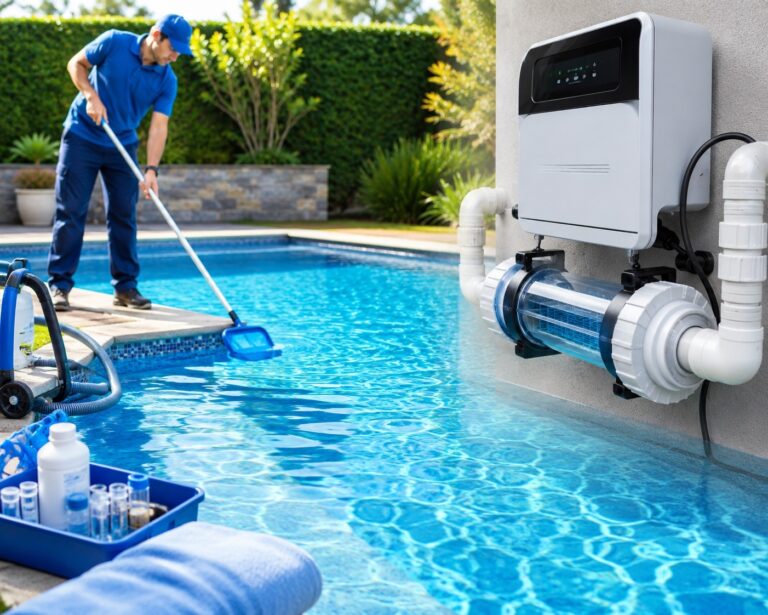
A well-functioning pool sanitation system is the basis of a healthy pool. If not properly sanitised, algae, bacteria and other pollutants can easily grow, resulting in a beautiful, clear pool turning into a green slime. A mineral salt chlorine generator is one of the most popular pool cleaners available to pool owners in Australia today.
A mineral salt chlorinator will provide the dissolved salts to function in the chlorinator in a consistent and effective manner without manual and frequent operation of the chlorinator. This type of pool may be gentler on the skin and eyes, and is a wonderful choice for a family with kids or for anyone with sensitive skin. It is also gentler and more natural than water and is liked by many swimmers.
The systems can in combination with minerals such as magnesium and potassium enhance the comfort and luxury of swimming. When choosing a sanitisation system, take into account the dimensions of your pool, your budget and how much you are willing to do to maintain it on a regular basis.
Pool Water Chemistry
As crucial as selecting an appropriate sanitation system is getting the chemistry right. Water out of balance isn’t going to be fixed by even the best equipment.
The following parameters are of great importance to monitor regularly:
- pH Level: It must be in between 7.2 and 7.6. Pools that are especially acid or alkaline can cause skin irritation, damage pool equipment and minimize the effectiveness of sanitizers.
- Alkalinity Range: Optimum range is 80-120 ppm. This neutralizes the pH and helps to prevent a rapid change in pH.
- Hardness: It should be between 200 and 400 ppm.
- Cyanuric Acid : Works to prevent chlorine from being degraded by UV.
- Free Chlorine: 1-3 ppm.
Water should be tested at least once a week during the summer months and fortnightly in colder months. Many Australian pool suppliers will also offer free water testing to visit your home to collect a water sample.
Seasonal Pool Maintenance Tips
There are particular needs of pool owners in each of the seasons in Australia. If the pool is not properly maintained over the winter, algae growth, debris, decreased circulation and chemical use may result. The heat of summer can result in increased chemical use and evaporation.
Summer
- Run swimming pool pumps 8+ hours a day during hot summer months.
- Log and check chemicals frequently, and balance frequently for heat and heavy use conditions can quickly disrupt the balances.
- Shock the pool when and where heavier rains occur or when there is a high bather load.
- Minimize debris and evaporation by using a pool cover when not in use.
Autumn and Winter
- As the temperature cools, gradually decrease the running time of the pump but don’t turn it off completely.
- Continue to test water chemistry at least fortnightly.
- To prevent algae and stains, remove leaves, other organic material from the pool and skimmer baskets regularly.
- If the pool is covered or under shade conditions, a mid winter algaecide treatment might be recommended.
Spring
- Make sure to conduct a complete water test and rebalance chemistry before the swimming season starts.
- Thoroughly clean or backwash the filter.
- Prior to the winter months, inspect all pool equipment pump, chlorinator and fittings for wear and damage.
The Value of Professional Pool Cleaning Services
There are times when regular maintenance, which can be done at home, is sufficient, but times when professional help can make a difference. Many chemical issues, ongoing algae challenges, faulty equipment and a busy lifestyle can all be worth hiring a professional.
Having professional swimming pool cleaning services such as Clarity Pool Management makes swimming pool cleaning a breeze. Homeowners can save the trouble of handling water chemistry issues or cleaning vinyl pool walls on the weekend by letting the trained and professional professionals handle regular inspections, balancing water chemistry, servicing and cleaning.
It has a number of clients including residential pools and commercial pools, and delivers a variety of pool maintenance services for different pools, pool types and budgets. They know how to do it and they bring all their equipment with them – and nothing with them. A professional pool clean is a great way to get peace of mind whether it’s once a year before you start your summer party or one of the pool maintenance services you can choose from.
Pool Problems and Their Solution
All pools have issues that they may encounter from time to time. Some fast solutions to some of the most popular problems:
Poor sanitation often caused by algae growth, may result in a green or cloudy water. Consider a high dose chlorine shock, filter the pool overnight, and brush the pool sides and bottom. After water clears, re-test and re-balance chemistry.
The cause of the Foamy Water is most commonly due to oils in the skin, sun tan lotion or bad quality chemicals. Before going for a swim, shower; inspect product quality; use a clarifier or enzyme treatment to remove organics.
Metals (iron, copper, or manganese), algae, or organic substances can cause staining on Pool Surfaces. Identifying the type of stain before treating and using the wrong treatment could exacerbate the stain. It is common knowledge that metal stains will respond to treatments with ascorbic acid.
Scaling/Ca deposits due to high calcium hardness or high pH. Reduce calcium levels gradually and keep the pH within a “recommended” range. Products used for descaling can be used to remove existing build-up.
Running equipment making unusual noises could mean there’s an air leak in the pump or filter, or it may be a worn bearing or a clogged impeller. Get equipment checked in a timely manner to prevent further expensive damage.
Conclusion
Maintaining your pool clean, safe and inviting doesn’t have to be such a daunting task. If properly sanitized and maintained, and with a basic understanding of pool chemistry, most pool owners will have excellent pool water all year long.
If the job is too difficult or time consuming, trusted professionals, such as Clarity Pool Management can help. When you take a dip, it’s worth every penny you spend whether you buy a mineral salt chlorinator for your pool or hire a good company that will regularly clean it for you.
FAQs
1. How many times a week should pool water be tested?
Test water from wells or ponds once a week in the summer. In the cooler months, testing is frequently done every two weeks. Test water any time there is a change in water clarity or swimmers don’t feel as comfortable in the water.
2. What is the difference between a salt chlorinator and a mineral salt chlorinator? Table salt (NaCl) is used to manufacture chlorine using a normal salt chlorinator. A mineral salt chlorinator is a well-being chlorinator that adds to the chlorinator other minerals that can also contribute to swimmers’ well-being and better water feel.
3. How many hours a day should I run my pool pump?
Typically pump 8 hours per day during the summer. It can take 4-6 hours during cooler months. This goal is to drain all your pool water, at least once a day, to replace it.
4. What might cause my pool to become green after I treat it?
Excessive algal growth is generally an indicator of a larger problem (poor chlorine, circulation, filtration or stabiliser). This is strongly recommended to carry out a complete water analysis and review of your water system to determine the source of the problem.
5. Can you swim right after putting pool chemicals in?
Normally, after the addition of chemicals, you should wait at least 15 to 30 minutes before swimming and after shock treatment (usually 8-24 hours). Read the product label for particular instructions.
