
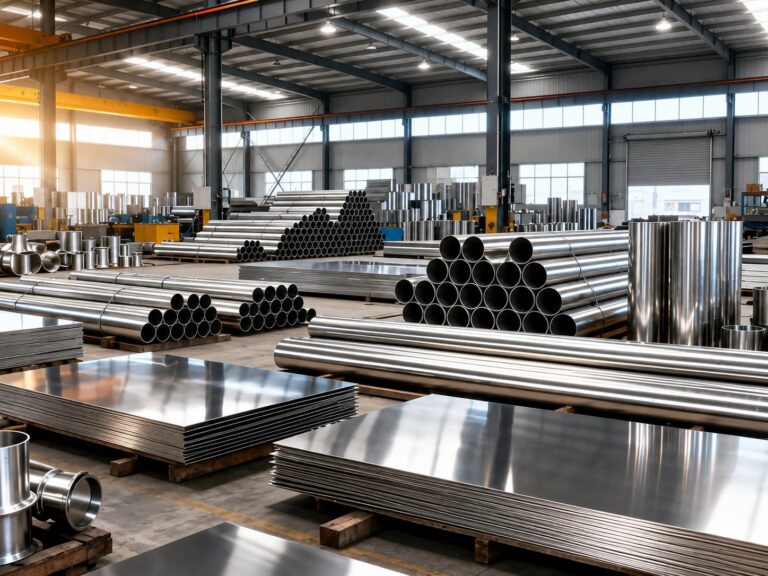
Stainless steel pipe fittings connect, control, and direct the flow in piping systems. They are strong, resist rust, and work well in many industries. This guide explains the main types in simple terms. You will learn what each fitting does, where to use it, and how to pick the right one for your project.
Why Stainless Steel Pipe Fittings Are Important
Stainless steel pipe fittings offer excellent durability and clean performance. They handle water, chemicals, food products, and gases without adding rust or contamination. Many industries rely on them because they last long and need little maintenance.
These fittings come in different grades like 304 and 316. Grade 304 works for general use, while 316 provides better protection in salty or chemical environments. Proper fittings keep systems safe, prevent leaks, and support smooth operation.
Elbows: Changing Pipe Direction
Elbows are one of the most common fittings. They change the direction of pipes. The standard angles are 90 degrees and 45 degrees.
A 90-degree elbow makes a sharp turn. It is useful when pipes need to go around obstacles or fit into tight spaces. A 45-degree elbow creates a gentler turn, which helps reduce pressure loss and keeps flow smoother.
Elbows come in short radius and long radius versions. Short radius elbows have a tighter curve and save space. Long radius elbows provide better flow and are preferred in systems where pressure drop matters.
You will find elbows in plumbing, HVAC systems, food processing lines, and chemical plants. Always match the elbow size and schedule (wall thickness) to your pipes for a secure fit.
Tees: Splitting or Combining Flow
Tees look like the letter T. They connect three pipes and let flow split into two directions or combine from two lines into one.
Equal tees have all three openings the same size. Reducing tees have one or two branches smaller than the main line. Reducing tees help transition between different pipe diameters without extra fittings.
Tees are important in distribution systems. For example, they supply water to multiple machines in a factory or branch off gas lines in processing plants. Install them carefully to avoid trapping air or creating dead zones where material can build up.
Reducers: Changing Pipe Size
Reducers connect pipes of different diameters. They come in two main styles: concentric and eccentric.
Concentric reducers have a centered design. The center line stays straight, which makes them good for vertical lines where even flow is needed. Eccentric reducers have an off-center design. They keep the bottom or top flat, which helps prevent air pockets in horizontal pipes.
Reducers are key when systems need to move from larger supply lines to smaller distribution lines. They maintain good flow speed and pressure. Choose the right type based on your pipe orientation and flow requirements.
Flanges: Connecting Pipes and Equipment
Flanges are flat pieces with holes for bolts. They join pipes to each other or to valves, pumps, and tanks. You can easily take them apart for maintenance or inspection.
Common types include weld neck flanges, slip-on flanges, socket weld flanges, and threaded flanges. Weld neck flanges offer strong connections for high-pressure systems. Slip-on flanges are easier to install but suit lower pressure applications.
Flanges come with different face types like raised face or flat face. The gasket between flanges creates a tight seal. Always use the correct pressure rating and bolt pattern for safe operation.
Caps and Plugs: Closing Pipe Ends
Caps and plugs stop flow at the end of a pipe. Caps fit over the outside of the pipe, while plugs fit inside threaded openings.
They are useful during installation, testing, or when future expansion is planned. Caps provide a clean, permanent seal for unused lines. Plugs work well for smaller threaded connections.
Both protect the inside of pipes from dirt and debris. In food or pharmaceutical systems, they help maintain hygiene during shutdowns.
Crosses: Four-Way Connections
Crosses connect four pipes at one point. They allow flow to split or combine in multiple directions.
Crosses are less common than tees but valuable in complex systems that need balanced distribution. Equal crosses have all openings the same size. Reducing versions allow different pipe sizes.
Use crosses in specialized setups like fire protection systems or chemical mixing lines. Proper support is important because crosses experience forces from multiple directions.
Other Important Fittings
Several other fittings complete most piping systems.
Couplings join two pipes of the same size. They come in full couplings for straight connections and half couplings for branch connections.
Unions allow easy disconnection without cutting pipes. They are handy for systems that need frequent maintenance.
Nipples are short pieces of pipe with threads on both ends. They create close connections between fittings.
Bends and returns create U-turns or custom curves in piping routes. They reduce the number of elbows needed in some layouts.
Materials and Grades for Stainless Steel Fittings
Most stainless steel pipe fittings use 304 or 316 grades. 304 offers good all-around performance at a lower cost. 316 adds molybdenum for better resistance to chemicals and salt water.
Fittings must match the pipe material and grade. Mismatched materials can cause corrosion where they touch. Check for certifications that confirm the fitting meets industry standards for pressure and temperature.
How to Choose the Right Fittings
Follow these steps when selecting fittings:
First, know your system requirements. Consider pressure, temperature, fluid type, and flow rate.
Second, match sizes and schedules. The fitting must fit your pipe diameter and wall thickness exactly.
Third, think about the environment. Outdoor or chemical exposure often needs 316 grade.
Fourth, check connection types. Decide between welded, threaded, or flanged connections based on installation needs.
Fifth, consider long-term costs. Higher quality fittings reduce leaks and maintenance over time.
Always buy from trusted suppliers who provide clear specifications and test reports.
For reliable stainless steel products and solutions, visit YASCO.
Installation and Maintenance Tips
Proper installation ensures fittings perform well. Clean all surfaces before connecting. Use the correct tools and torque settings for bolts on flanges.
Support pipes properly to reduce stress on fittings. Avoid forcing connections into place.
During maintenance, inspect for leaks, corrosion, or loose bolts. Replace damaged fittings right away to prevent bigger problems.
Keep spare fittings on hand for common sizes in your system. This speeds up repairs during unexpected shutdowns.
Final Thoughts on Stainless Steel Pipe Fittings
Stainless steel pipe fittings come in many types to handle different jobs. From elbows and tees to flanges and reducers, each has a clear purpose in creating safe and efficient piping systems.
Understanding these main types helps you design better layouts, avoid mistakes, and choose the right parts. Whether you work on small plumbing jobs or large industrial projects, the correct fittings make a big difference in performance and reliability.
Take time to review your system needs and match fittings accordingly. Quality matters, so work with experienced stainless steel pipe fittings manufacturers who can supply what you need.
With the right fittings in place, your piping systems will run smoothly for many years while resisting corrosion and maintaining high performance.
