
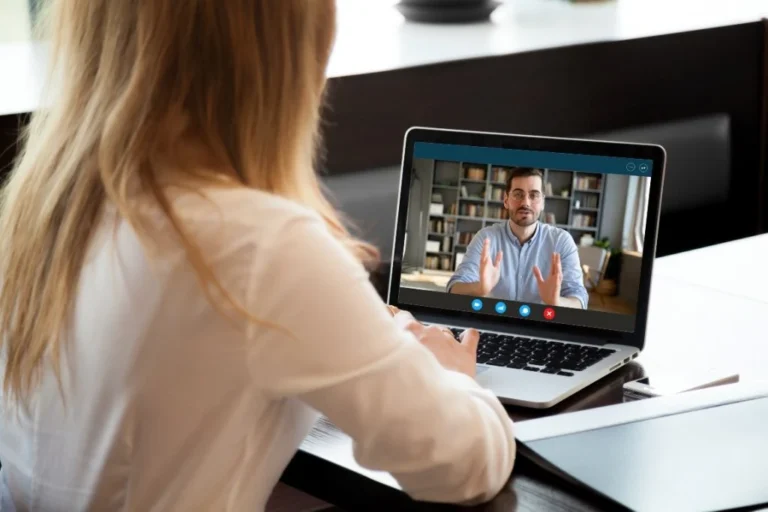
Remote interviews have quietly become part of everyday work life. What once required a booked meeting room, a recorder, and a stack of printed notes can now happen from a kitchen table, a coworking space, or even during a lunch break between errands. Whether you’re hiring a new team member, conducting user research for a product, or gathering feedback for a school project, interviewing people online has made the process more flexible than ever.
But convenience alone doesn’t guarantee a good interview. Anyone who has experienced a frozen video call, awkward silence, or misread tone knows that remote conversations come with their own challenges. The good news is that with a bit of structure and a human approach, remote interviews can feel just as natural—and often more comfortable—than in-person ones.
The key is not to treat them like “second-best” interviews, but as a different format with its own rhythm, tools, and strengths.
Setting the Stage for a Smooth Remote Interview
A successful remote interview starts long before the call begins. Preparation is what separates a smooth conversation from one filled with confusion and technical hiccups.
First, think about the platform. Tools like video conferencing apps have become as common as phone calls. Choose one that your participants are familiar with or can access easily. If someone needs to download software for the first time, send clear instructions ahead of time. This small step can prevent unnecessary stress.
Next comes environment setup. Encourage participants to join from a quiet, well-lit space, but also be flexible. Not everyone has a perfect setup at home, and life often happens in the background—children playing, dogs barking, or delivery riders knocking at the door. Instead of treating these as interruptions, acknowledge them as part of real life.
A practical example: a recruiter interviewing a candidate for a retail job might notice background noise from a busy household. Instead of pausing the interview, they might simply say, “No worries, we’ll continue—this actually helps me understand how you manage distractions.” That small moment of understanding builds trust.
Finally, prepare your questions in a flexible way. Instead of rigid scripts, think of them as conversation starters. This allows the discussion to flow naturally rather than feeling like an interrogation.
Building Real Connection Through a Screen
One of the biggest worries people have about remote interviews is losing the “human connection.” It’s true that screens can create distance, but they don’t eliminate connection—they just change how it’s built.
Start with small talk, but keep it genuine. Instead of formal greetings, ask something light and relatable like, “How’s your day going so far?” or “Is it raining where you are too?” These small moments help people relax and shift from “interview mode” to “conversation mode.”
Body language still matters, even on video. Looking at the camera when speaking (instead of just the screen) helps create the feeling of eye contact. Nodding, smiling, and allowing natural pauses also go a long way in making the other person feel heard.
Now, here’s where things often become more practical. Many professionals who need to interview participants remotely—such as UX researchers studying how people use a mobile banking app—find that participants actually open up more when they are in their own space. There’s a kind of comfort in being at home that doesn’t always exist in formal office settings. Someone might show you how they struggle to transfer money using their phone while sitting on their couch, giving you insights you would never get in a controlled environment.
Even in healthcare surveys or education research, remote interviews allow participants to speak more freely. A teacher giving feedback on online learning tools, for example, might feel more honest discussing challenges from their own classroom rather than sitting in a formal meeting room with administrators.
The key is to listen actively. Since visual cues can sometimes lag or feel limited online, verbal confirmation becomes even more important. Simple phrases like “I understand” or “That makes sense” help keep the conversation flowing and reassure participants that they’re being heard.
Tools, Techniques, and Common Mistakes to Avoid
Technology is the backbone of remote interviews, but it should never overshadow the conversation itself. The goal is to make the tool invisible so the human interaction can shine.
Start with basics: a stable internet connection, a working microphone, and a camera positioned at eye level. These may sound obvious, but they dramatically affect the quality of the interview. Even small issues like echo or poor lighting can make communication harder than it needs to be.
Recording tools can also be helpful, especially for research or hiring purposes. Instead of frantically taking notes, you can stay present in the conversation and review details later. Just remember to always ask for permission before recording.
Another useful technique is the “pause rule.” In online conversations, delays can happen due to connection lag. If someone pauses, don’t rush to fill the silence immediately. Give it a few extra seconds. Often, participants are simply thinking or dealing with a slight delay—not finished speaking.
Common mistakes are usually simple but impactful. One is multitasking during interviews. Even though it might feel easy to check emails in another tab, participants can often sense when attention drifts. Another mistake is overloading the session with too many questions. Remote fatigue is real; long interviews can feel more tiring online than in person, so pacing matters.
Real-world example: a product team testing a new food delivery app might schedule three 20-minute interviews instead of one long 60-minute session. This keeps energy high and responses fresh, while also respecting participants’ time.
Clarity is another important factor. Avoid jargon or overly technical language unless you’re sure the participant is familiar with it. If you’re interviewing everyday users about a fitness app, saying “user engagement metrics” might confuse them. Instead, ask how often they use the app and what keeps them coming back.
Bringing It All Together
At its core, a good remote interview is still just a conversation between two people trying to understand each other. The tools may have changed, but the goal hasn’t.
Whether you’re speaking with job candidates, customers, students, or patients, the principles remain the same: prepare thoughtfully, connect genuinely, and listen carefully. The screen in between doesn’t have to be a barrier—it can actually be a bridge that makes conversations more accessible and inclusive.
When done well, remote interviews don’t just save time or reduce travel. They open doors to perspectives that might otherwise be missed, from people in different cities, different routines, and completely different life contexts. And in many cases, those differences are exactly what make the insights valuable.
