
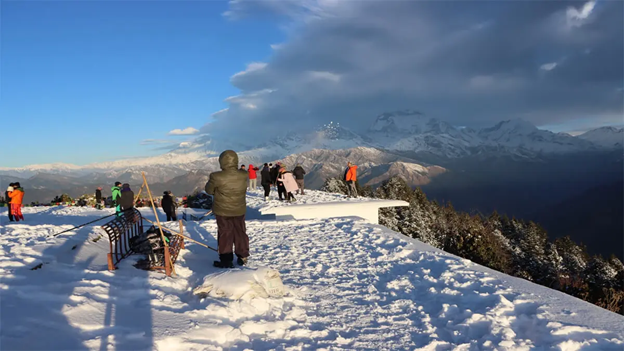
The Annapurna region of Nepal is one of the most iconic trekking destinations in the world, attracting adventurers with its breathtaking Himalayan scenery, diverse landscapes, and rich cultural heritage. Whether you are a beginner or an experienced trekker, the Annapurna region offers a variety of trekking routes that cater to different levels of fitness, time, and adventure preferences.
This complete guide will help you understand everything you need to know before planning your Annapurna region trek from popular routes and difficulty levels to best seasons, permits, and essential tips.
Overview of the Annapurna Region
The Annapurna region is home to some of the world’s highest peaks, including Annapurna I (8,091m), Dhaulagiri (8,167m), and Machhapuchhre (6,993m). The region is protected under the Annapurna Conservation Area, the largest conservation area in Nepal, known for its diverse ecosystems and cultural richness.
What makes this region special is its incredible variety. Within a single trek, you can experience lush subtropical forests, terraced farmlands, alpine meadows, and high-altitude deserts. Along the way, you will also encounter traditional villages inhabited by Gurung, Thakali, and Manangi communities, offering a unique cultural experience.
Popular Trekking Routes in the Annapurna Region
Annapurna Circuit Trek
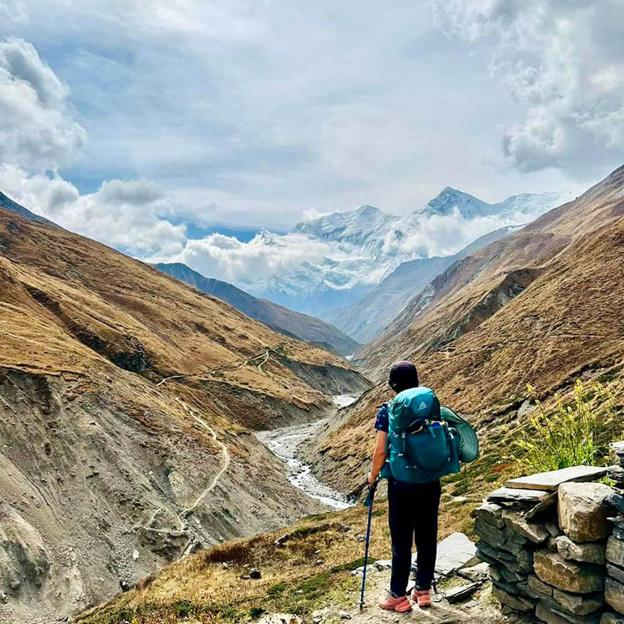
The Annapurna Circuit Trek 15 days is one of the most famous long-distance trekking routes in the world, offering an unforgettable journey through some of Nepal’s most diverse and dramatic landscapes. Typically taking around 12 to 20 days and covering approximately 160 to 230 kilometers, the trek circles the Annapurna massif and reaches its highest point at the challenging Thorong La Pass (5,416 meters), one of the highest trekking passes globally. Along the way, trekkers are rewarded with stunning views of the Annapurna, Dhaulagiri, and Manaslu ranges, while experiencing a remarkable transition from lush green valleys to dry, high-altitude terrain. The route also passes through traditional Himalayan villages, allowing for deep cultural immersion. Due to its length, altitude, and physical demands, the Annapurna Circuit Trek is best suited for experienced trekkers seeking a long, adventurous, and truly diverse Himalayan experience.
Annapurna Base Camp Trek
The Annapurna Base Camp (ABC) Trek is a shorter and more beginner-friendly option, usually completed within 7 to 12 days. This trek leads you into the heart of the Annapurna Sanctuary, reaching an altitude of about 4,130 meters. It offers stunning close-up views of Annapurna I and Machhapuchhre, passes through scenic villages like Ghandruk and Chhomrong, and includes highlights such as sunrise views from Poon Hill and natural hot springs at Jhinu Danda. With daily walking distances ranging from 7 to 15 kilometers, it is suitable for trekkers with moderate fitness levels.
Ghorepani Poon Hill Trek
The Ghorepani Poon Hill Trek is one of the easiest and shortest treks in the Annapurna region, typically taking 4 to 5 days to complete. It is ideal for beginners or travelers with limited time who still want to experience the beauty of the Himalayas. The trek features gentle trails through rhododendron forests, charming Gurung villages, and a stunning panoramic sunrise view from Poon Hill at 3,210 meters, making it a rewarding yet accessible trekking experience.
Life in the Annapurna Region: Food and Accomodation
Life in the Annapurna region offers a unique blend of simplicity and hospitality. The local cuisine is hearty and energizing, designed to keep trekkers fueled for long days on the trail. Staples include dal bhat (lentils with rice), momos (dumplings), and thukpa (noodle soup), often accompanied by milk tea or butter tea. Many teahouses also provide snacks like biscuits, noodles, and chocolate, making it easy for trekkers to refuel between meals while experiencing authentic Nepali flavors.
Accommodation in the region is mostly teahouse-style, offering basic but cozy rooms with shared facilities and blankets, while higher-altitude lodges may have limited hot water. Staying in these teahouses gives trekkers a chance to rest comfortably, meet fellow travelers, and enjoy the warm hospitality of local communities. During peak trekking seasons, arriving early ensures a bed, but overall, teahouse stays provide both convenience and a glimpse into daily life in the mountains.
Challenges You Might Face on the Trail
Trekking in the Annapurna region is incredibly rewarding, but it comes with its own set of challenges. Altitude sickness is one of the most common issues, as trekkers ascend to heights above 3,000–5,000 meters. Symptoms like headaches, dizziness, and fatigue can affect even experienced hikers, so proper acclimatization and staying hydrated are essential. Unpredictable weather is another challenge, with sudden rain, snow, or cold temperatures making certain sections of the trail more difficult or slippery.
Other obstacles include long walking days and steep or uneven terrain, which can be physically demanding, especially for beginners. Trekking trails can be narrow, rocky, or muddy, requiring careful footing. In remote areas, limited medical facilities and connectivity mean that trekkers must be prepared for emergencies. Despite these challenges, with proper preparation, physical fitness, and patience, the journey becomes manageable and incredibly rewarding, offering breathtaking views and unforgettable experiences along the way.
Best Seasons for Clear Mountain Views
The best time to trek in the Annapurna region is during spring (March to May) and autumn (September to November). During these months, the weather is generally stable, skies are clear, and the chances of seeing stunning mountain vistas are highest. Spring brings blooming rhododendrons, lush green valleys, and moderate temperatures, making it perfect for nature lovers and photographers.
Autumn, on the other hand, offers crisp air, golden landscapes, and excellent visibility of the Himalayan peaks. These months also coincide with festivals in local villages, giving trekkers a chance to experience the vibrant culture of the region. Avoiding the monsoon (June to August) and harsh winter (December to February) ensures safer trails and more enjoyable trekking conditions overall.
Conclusion
Trekking the Annapurna region is more than a journey. From the long Annapurna Circuit to the shorter Ghorepani Poon Hill trek, there is something for every level of trekker. With careful preparation and guidance from Nepal Trekking Route, this Himalayan paradise rewards trekkers not just with breathtaking views, but with memories that stay long after the mountains fade from sight.
